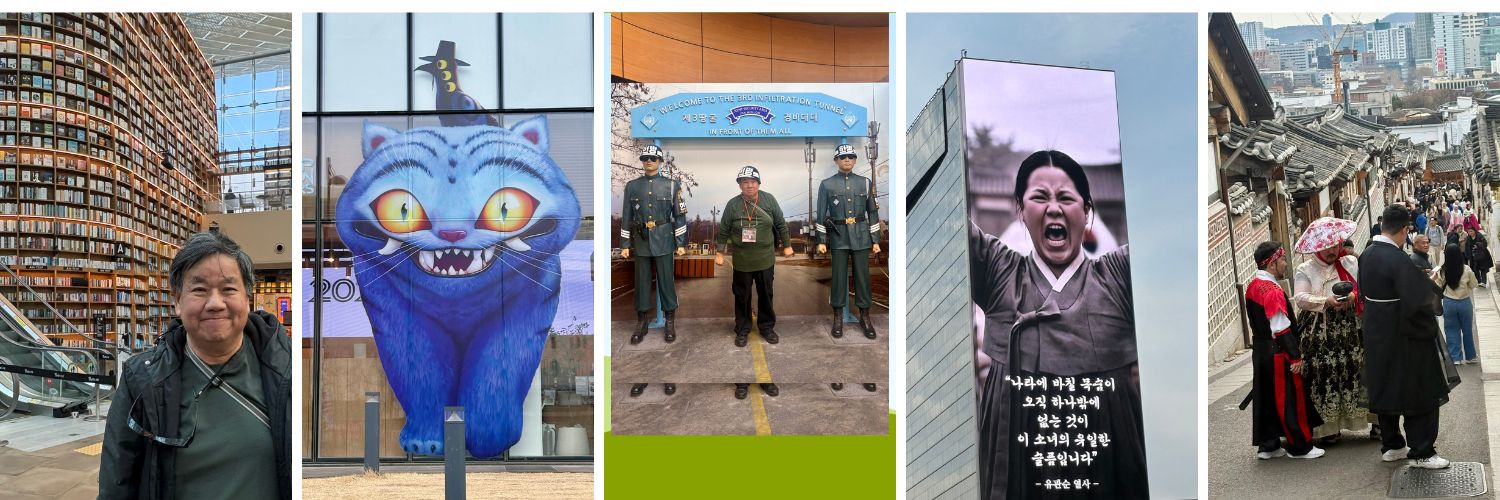
Six Hours, Seventy Years, Five Days
In late February 2026, I spent five days in Seoul, South Korea. It was a trip I was supposed to take in December 2024. Alas, two days before my scheduled flight, then-President Yoon Suk Yeol declared emergency martial law. I was able to change my air ticket and skipped that portion of the trip. Looking back, I probably could have taken the trip because the martial law declaration lasted six hours. More than 100 elected members of the National Assembly rushed to parliament in the middle of the night and voted in the early hours of December 4 to demand its lifting, which Yoon was constitutionally required to comply with. The whole episode lasted about six hours. Yoon was arrested about a month later and charged with insurrection. You can read more about that incident on this Wikipedia page.
Speaking of South Korean presidents, there have been fourteen, and the fate of many of them is remarkable, and not in a good way. The third president, Park Chung-hee, was assassinated at a Korean CIA facility near the presidential palace (the Blue House) by the head of his own intelligence agency at a private dinner. Five other presidents served jail sentences for corruption or insurrection. Three more were charged with corruption but did not serve jail time, and one of them committed suicide while under investigation.
The history of Korea is not a happy one. It spent centuries within the Chinese tributary system and later became a colony of Japan from 1910 to 1945. Soon after it regained independence at the end of World War II, the Korean War broke out, and the country has remained divided ever since.
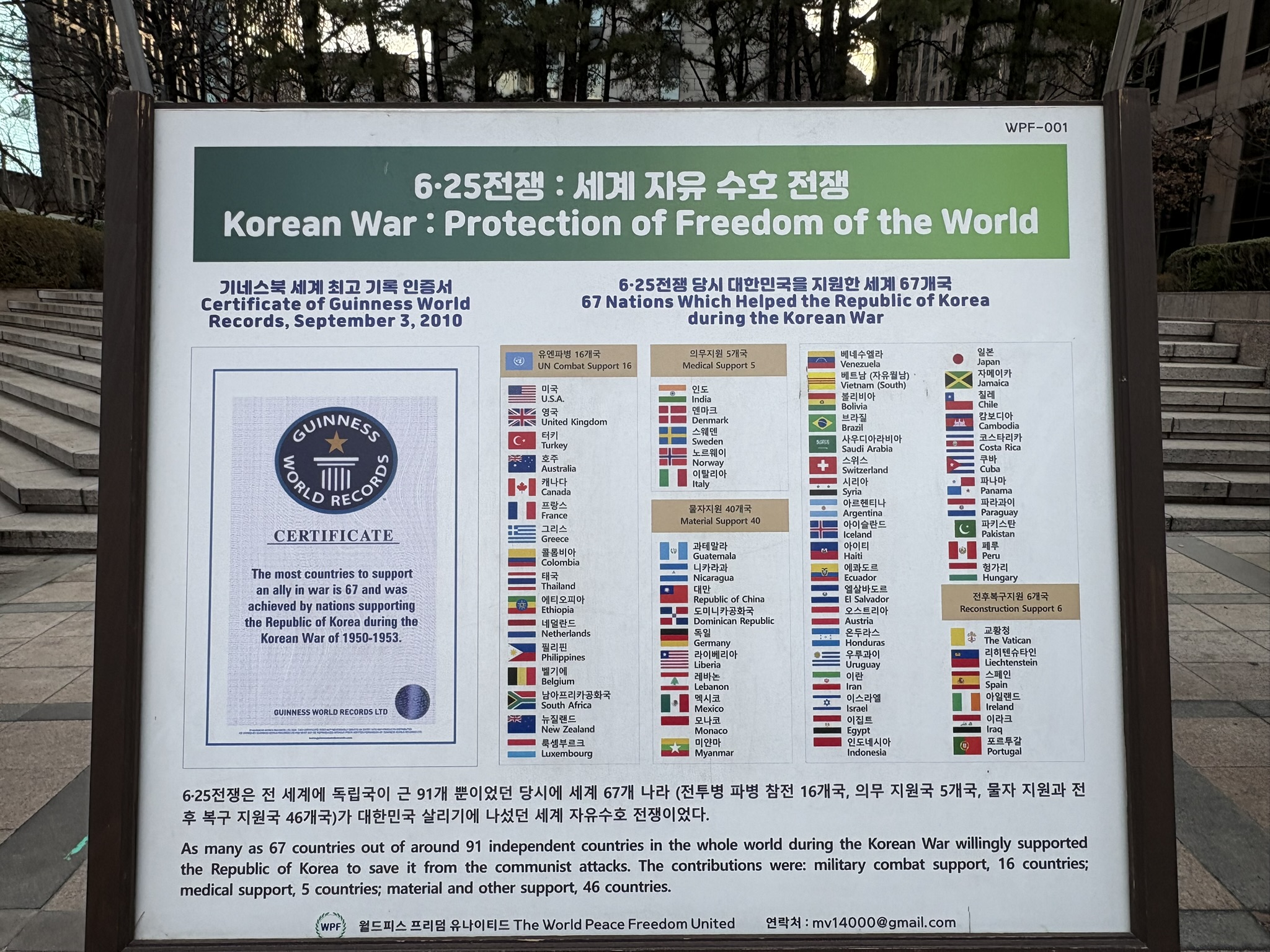
What is remarkable about Seoul, and South Korea in general, is that the country was devastated by the Korean War, which technically came to a halt in July 1953. I say “technically” because a peace treaty was never officially signed. Instead, the fighting stopped with the Korean Armistice Agreement. Regardless, the way South Korea rose from the ruins of war to develop into a major economic power in such a relatively short time is truly astonishing.
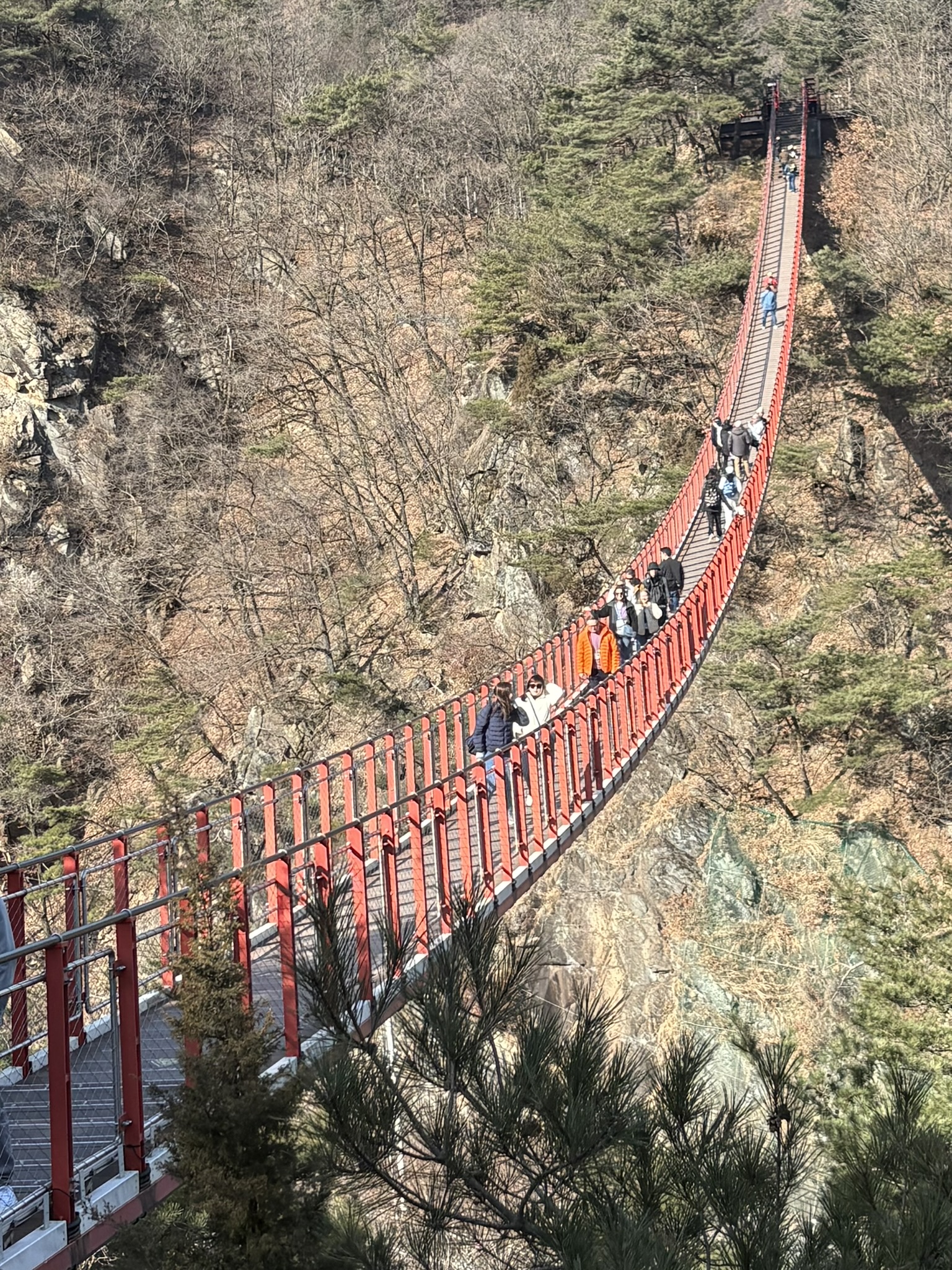
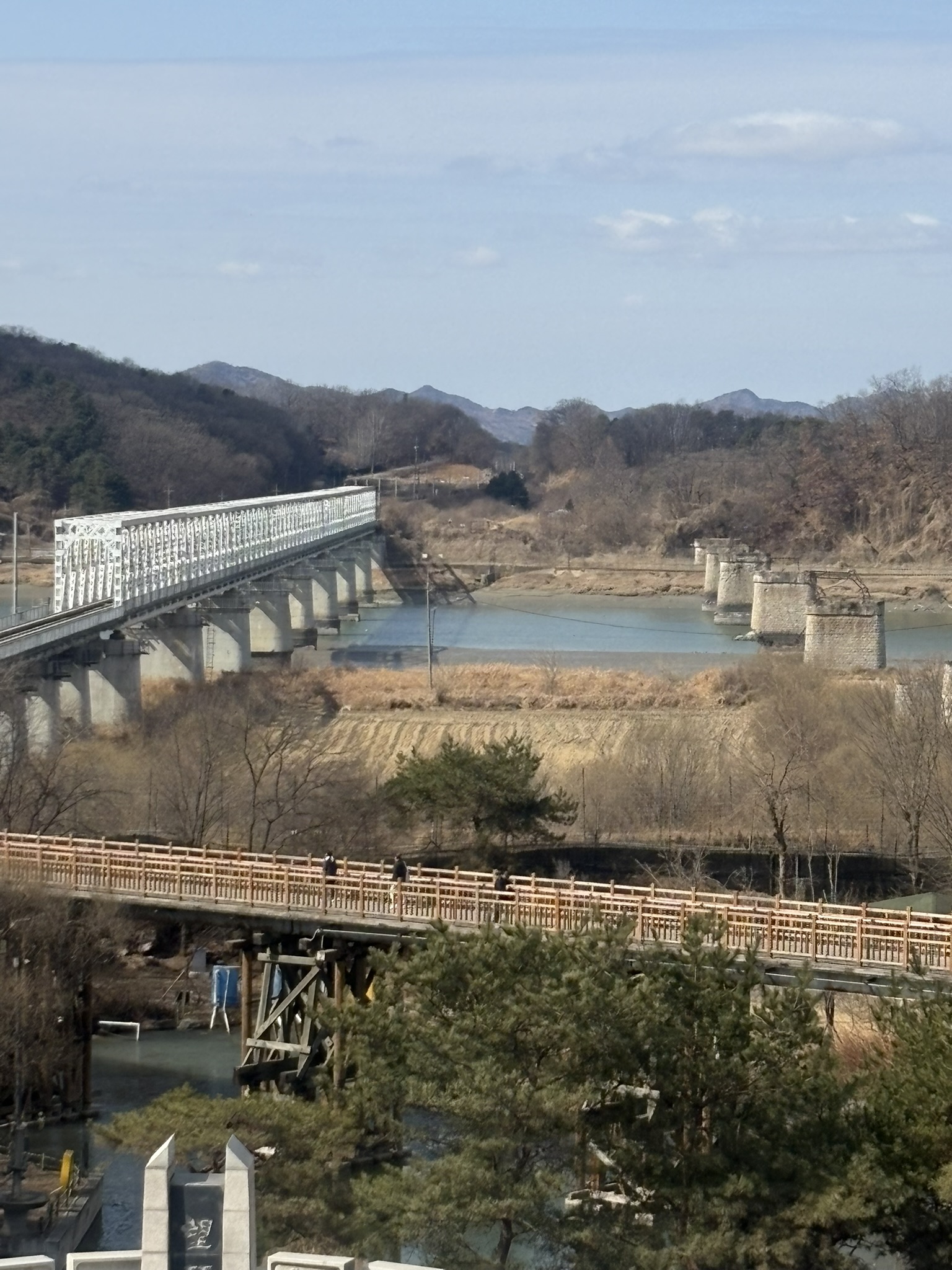
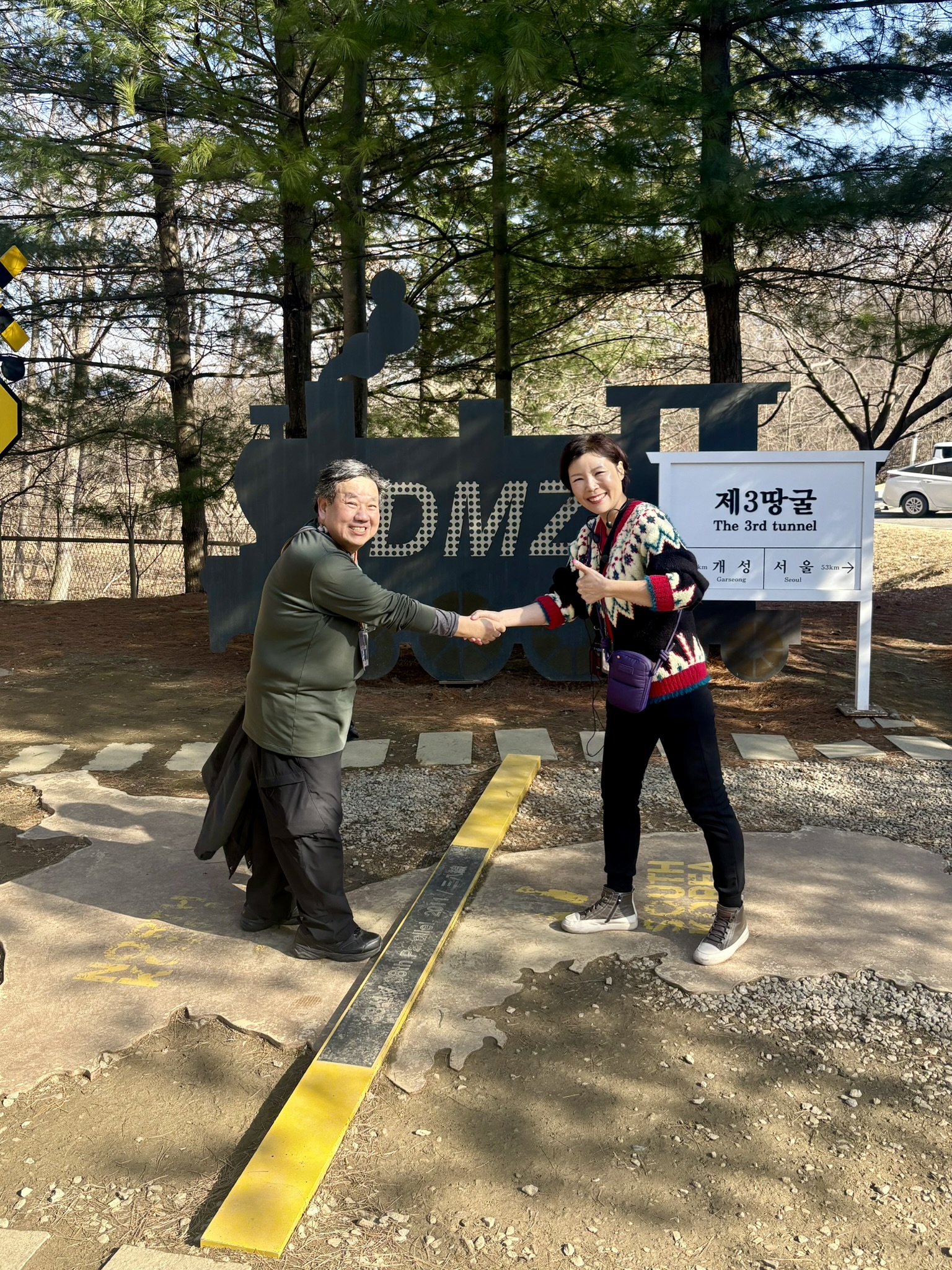
The highlight of my trip was definitely the informative but physically demanding Demilitarized Zone (DMZ) tour. In addition to climbing up to a suspension bridge, we descended into the Third Tunnel. It is a 17-degree incline stretching 450 metres underground. I had to take a break in the middle of the tunnel while climbing back out the same way. To top off the tour, we hiked up to a rooftop observation deck. Except near the suspension bridge, cameras are strictly prohibited inside the DMZ, which extends 2 km on each side of the Military Demarcation Line. I find it ironic that it’s called the Demilitarized Zone when there are thousands of land mines in the area and a strong military presence on both sides.
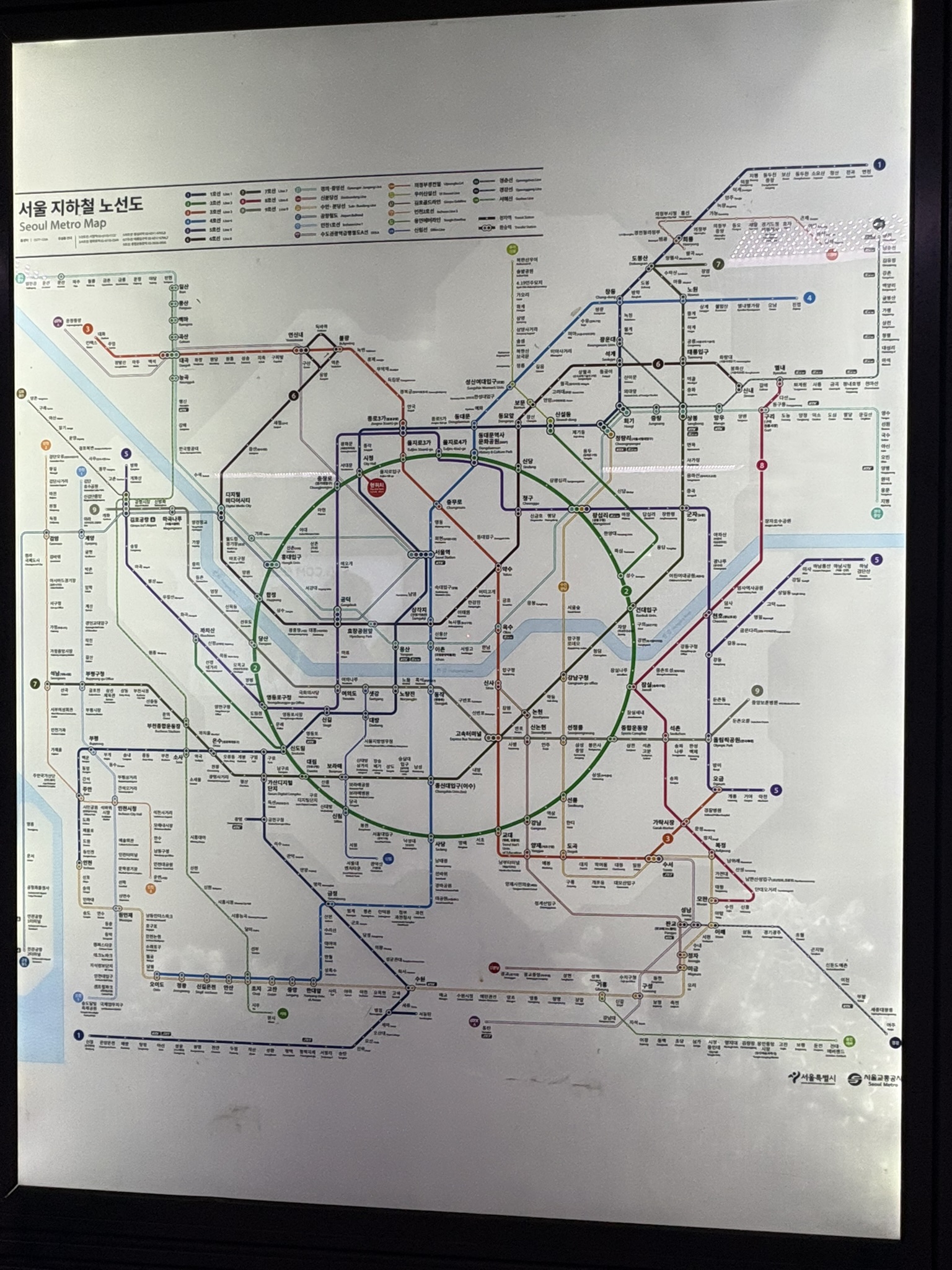
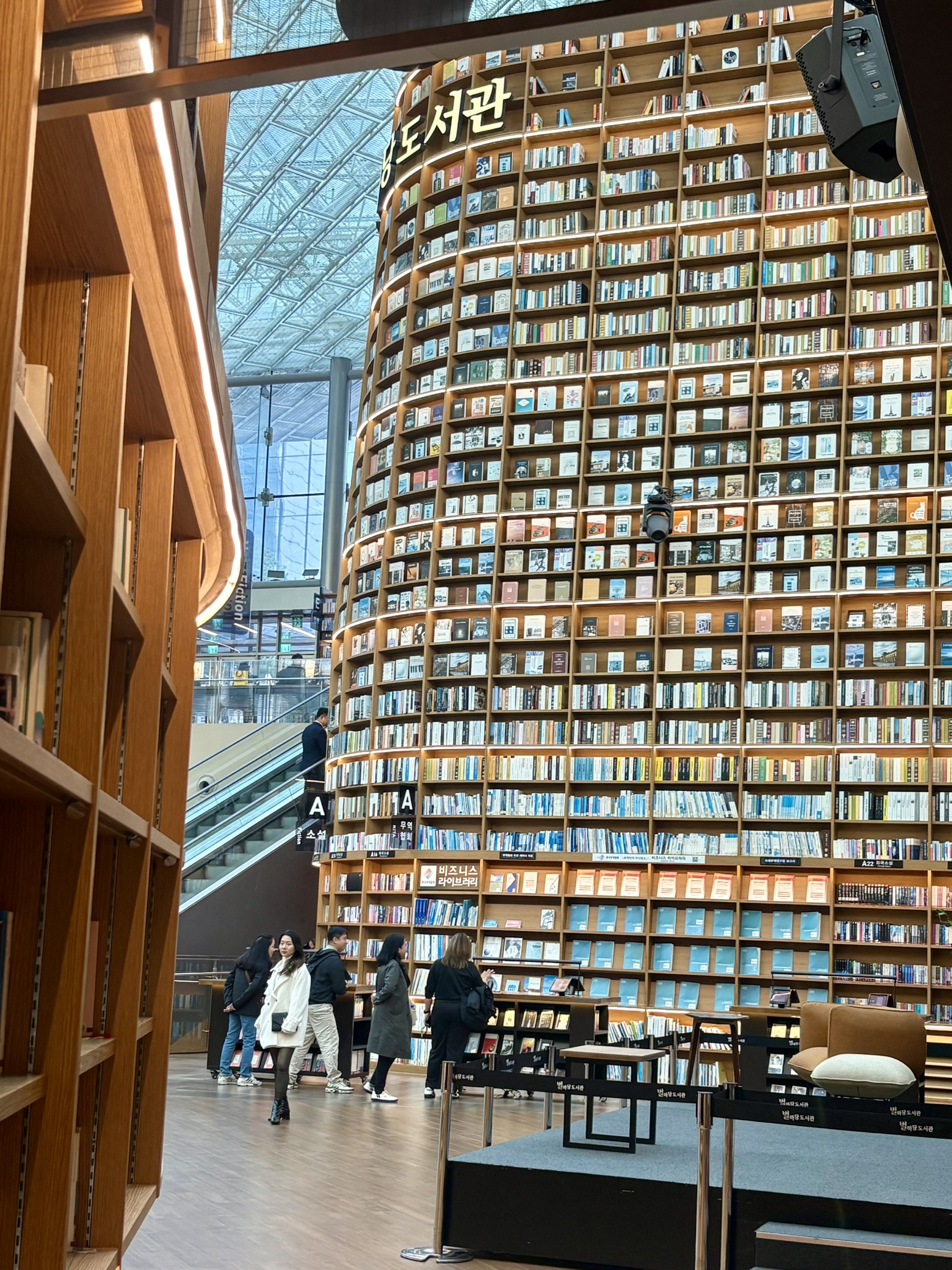
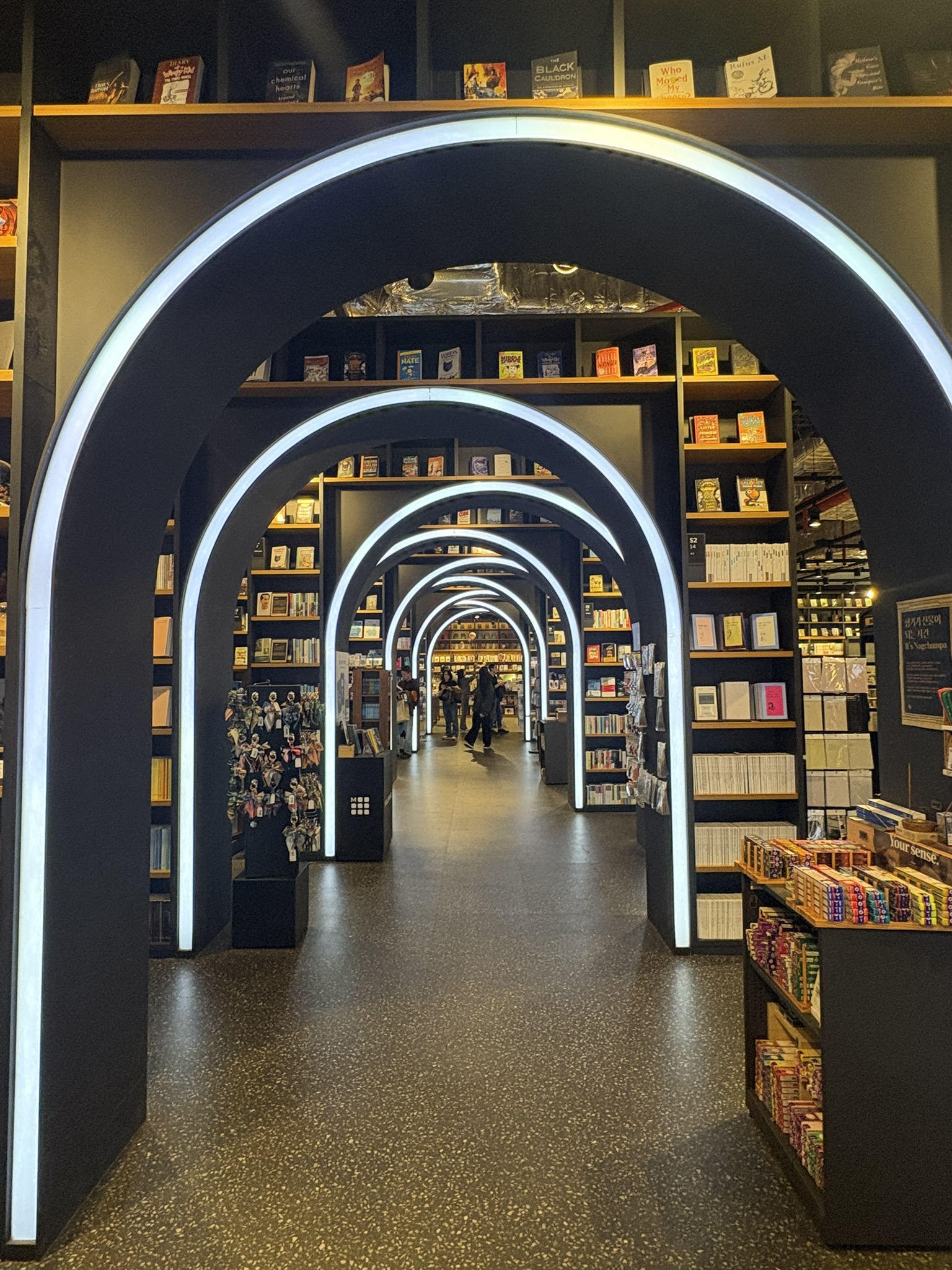
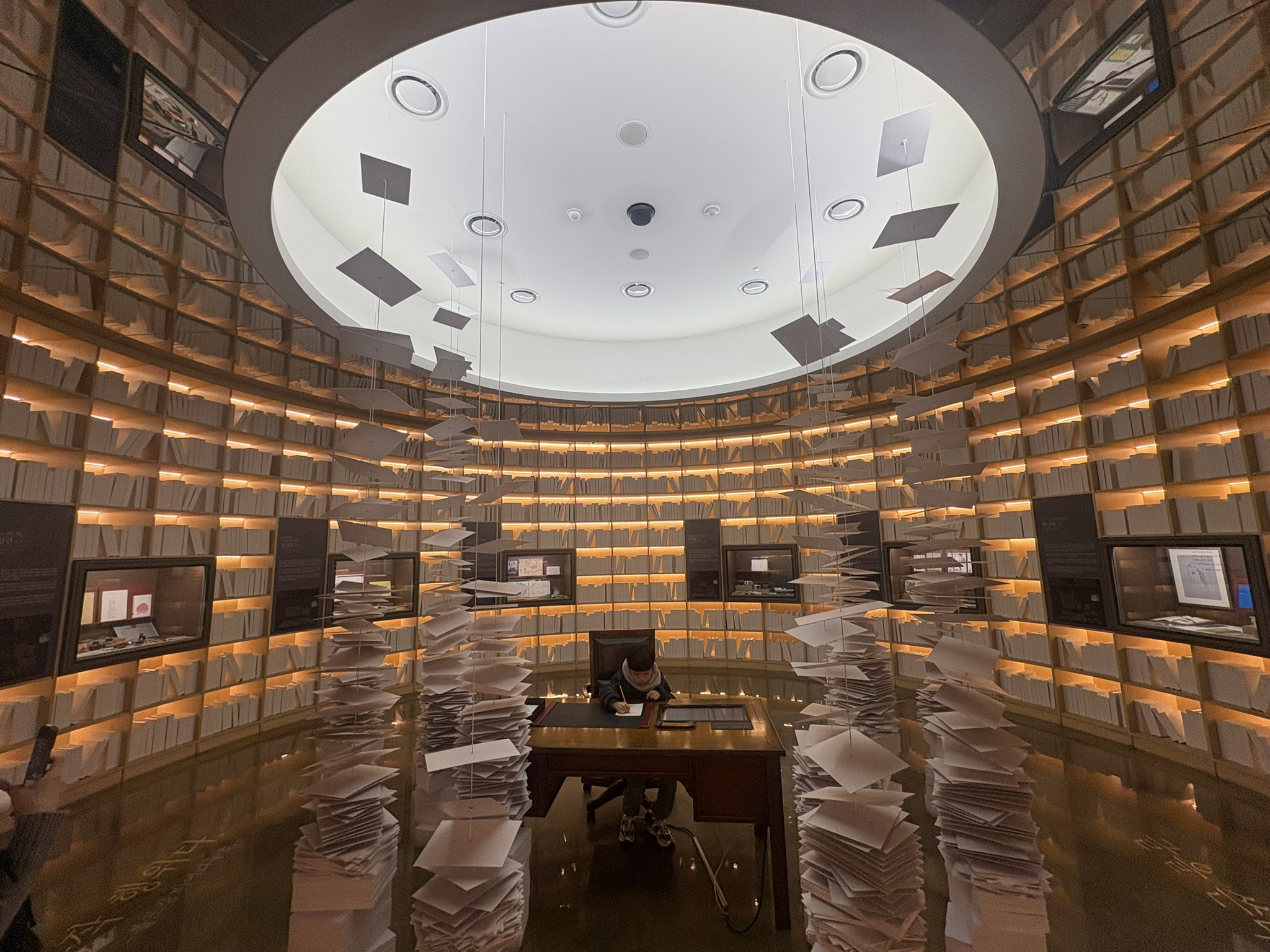
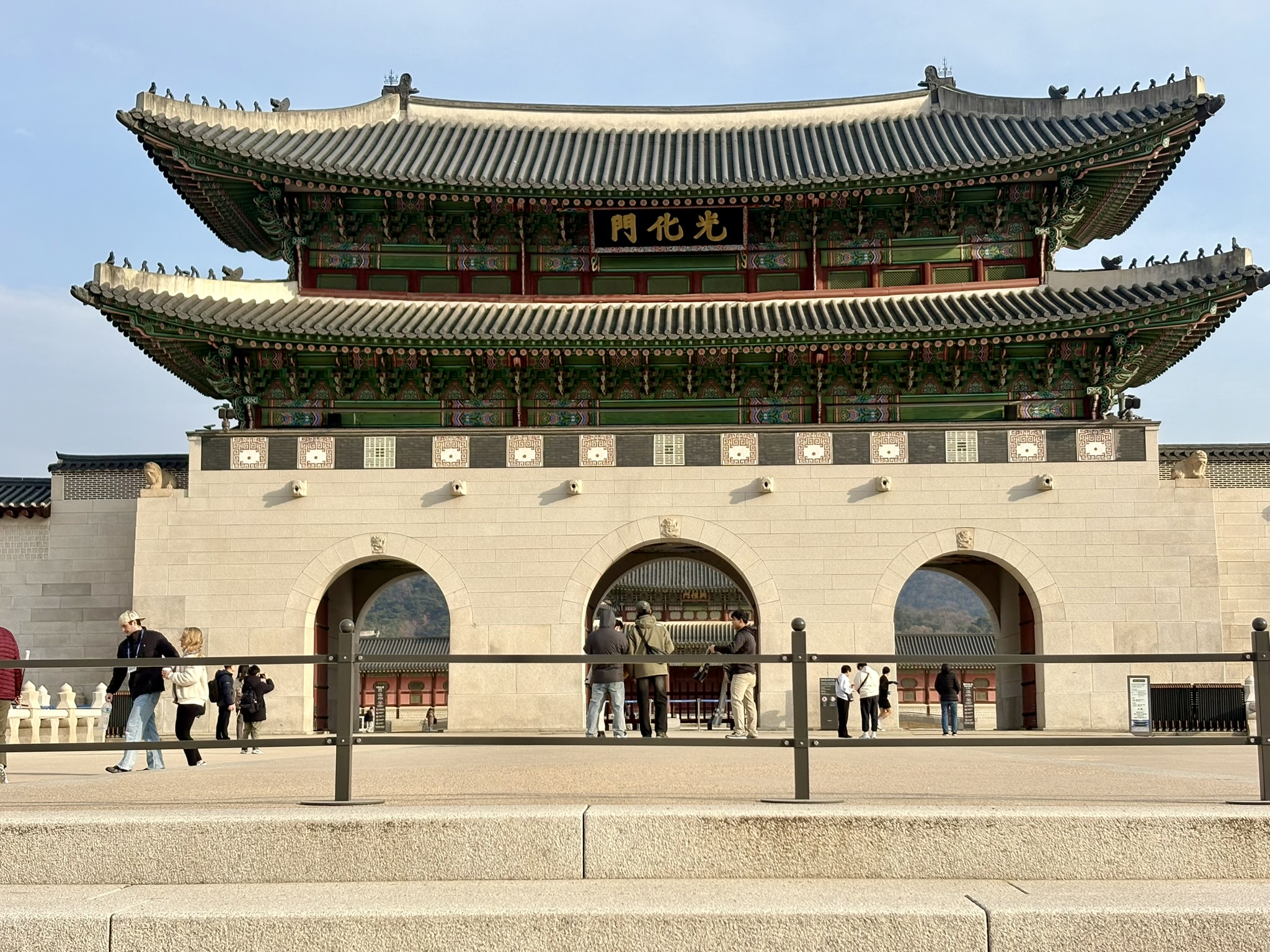
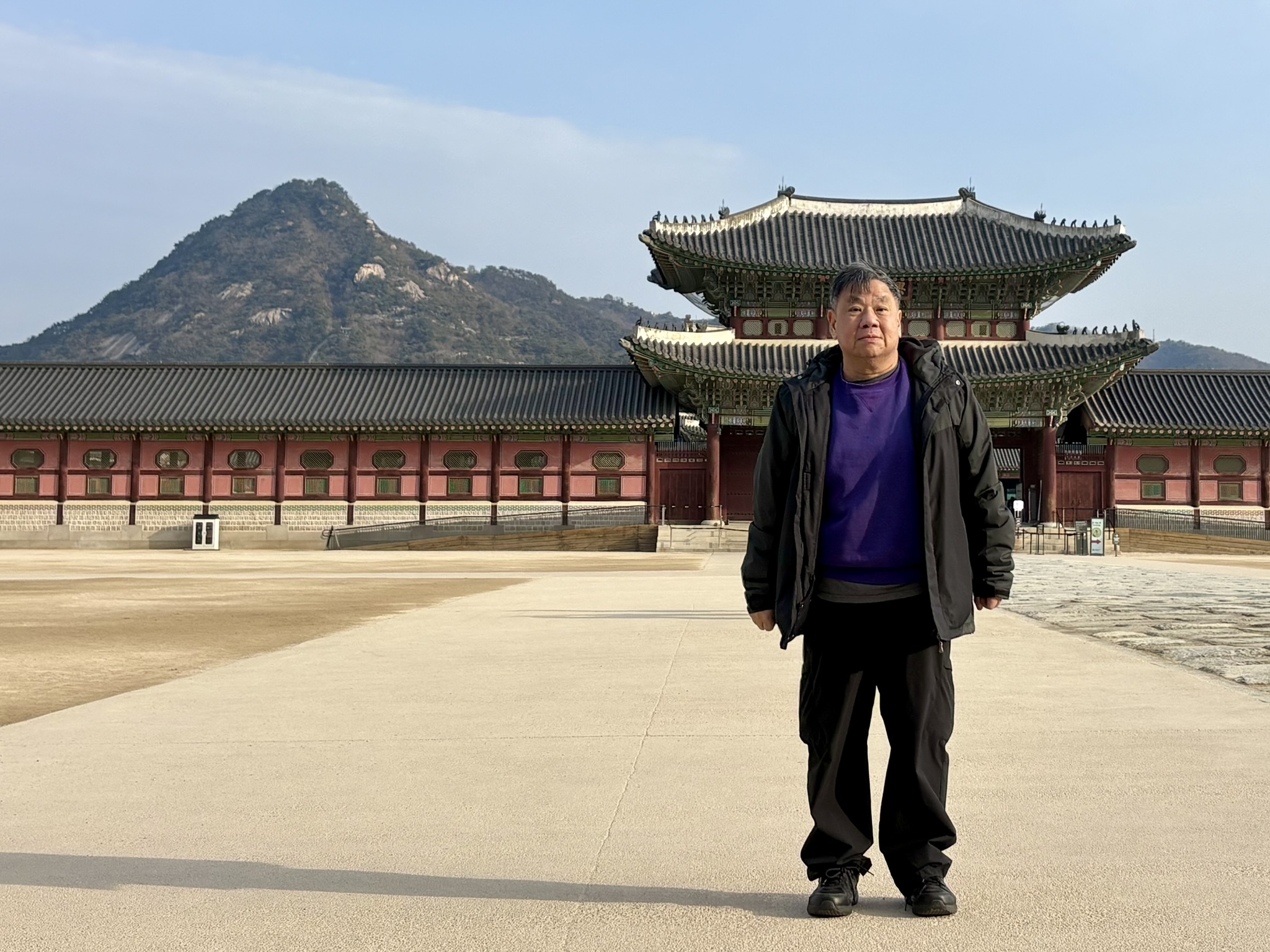
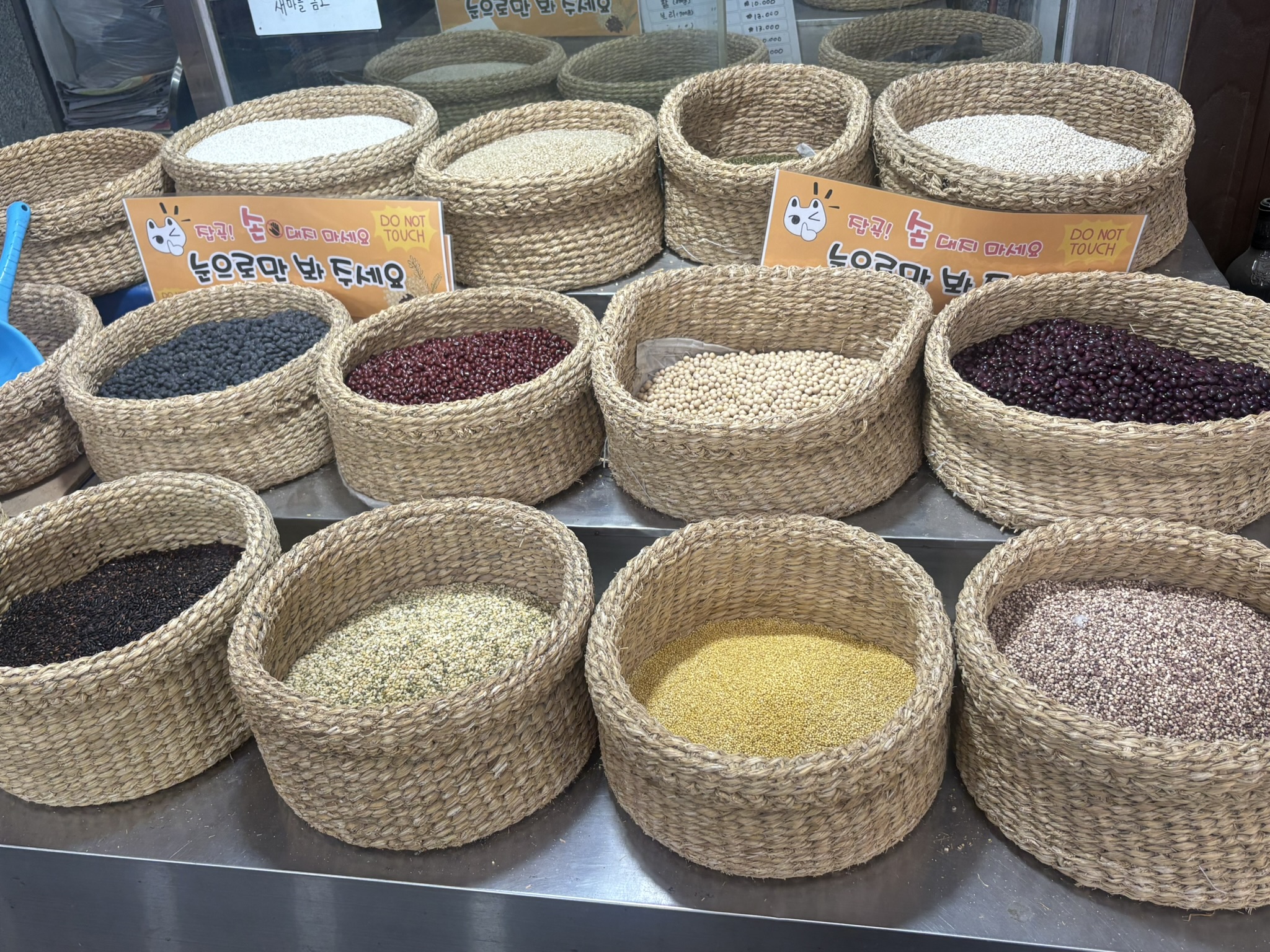
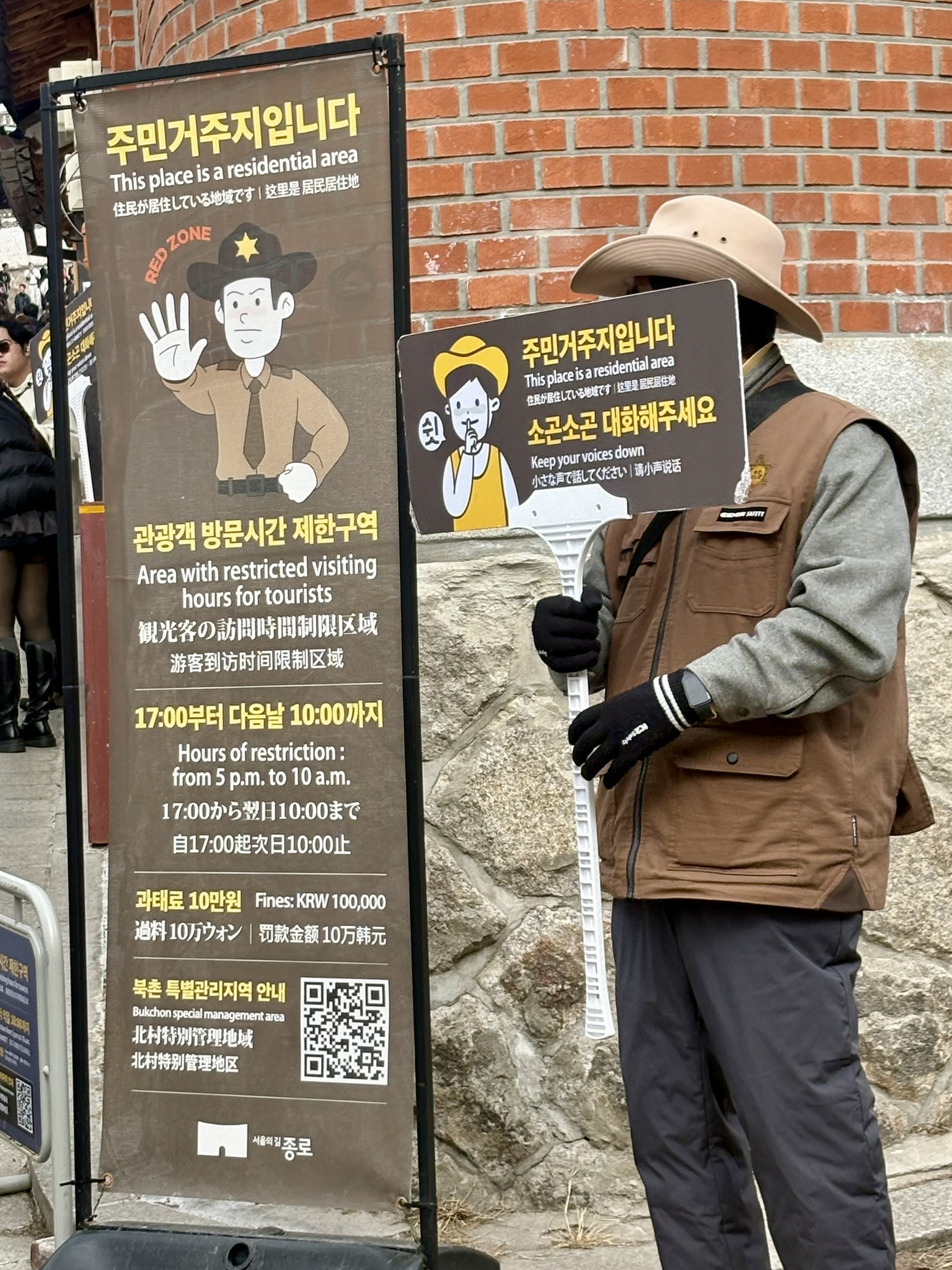
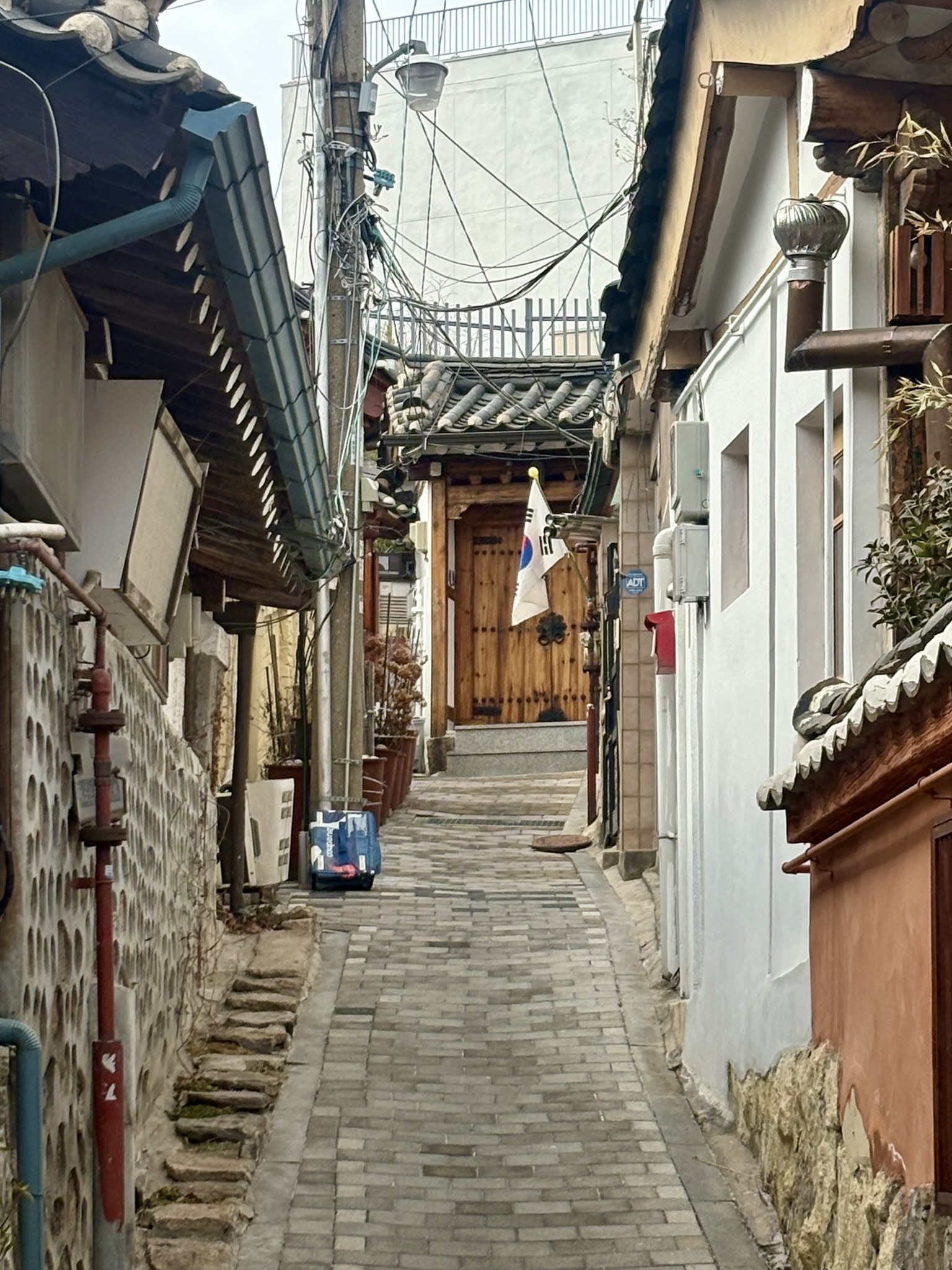
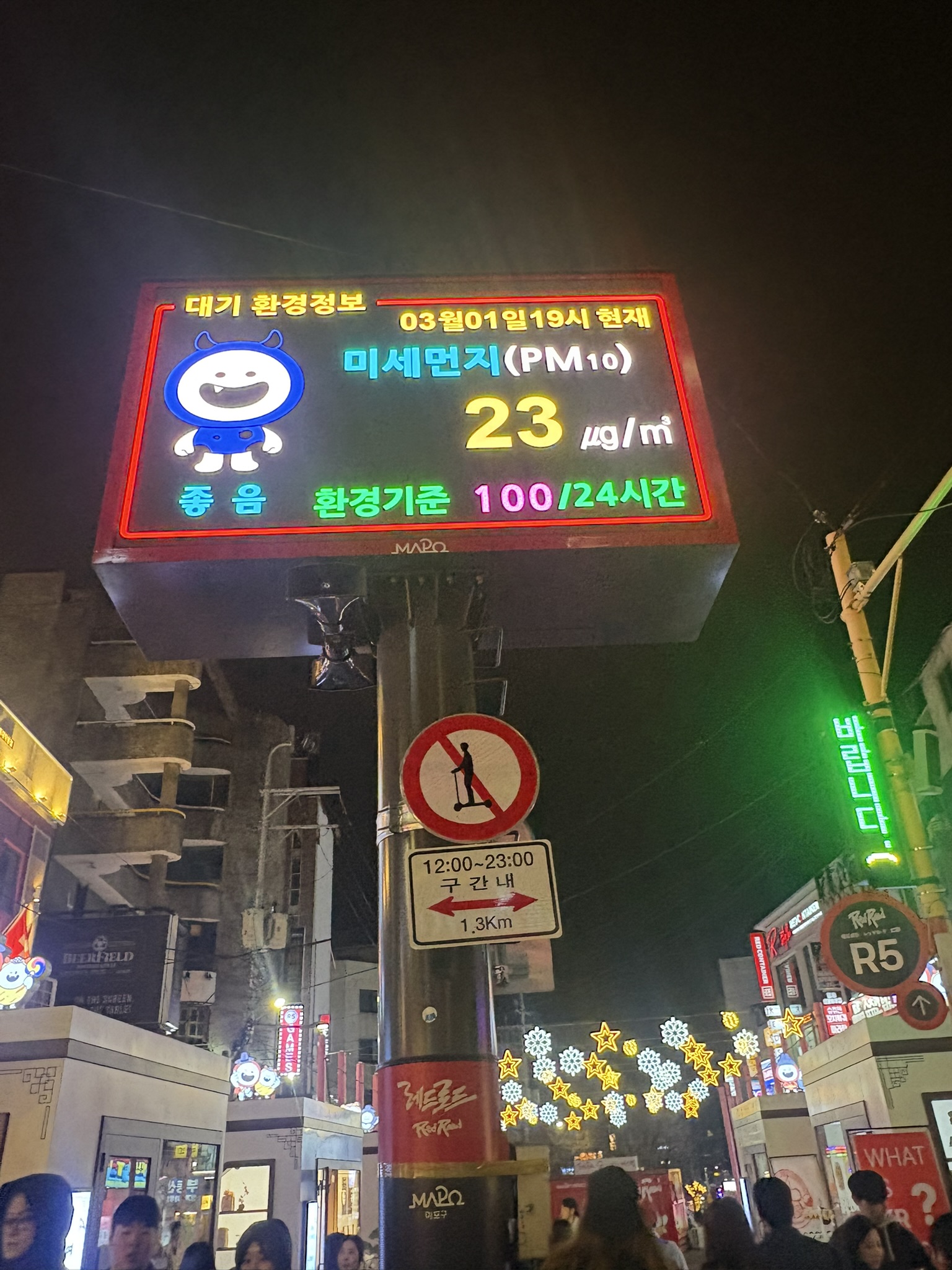
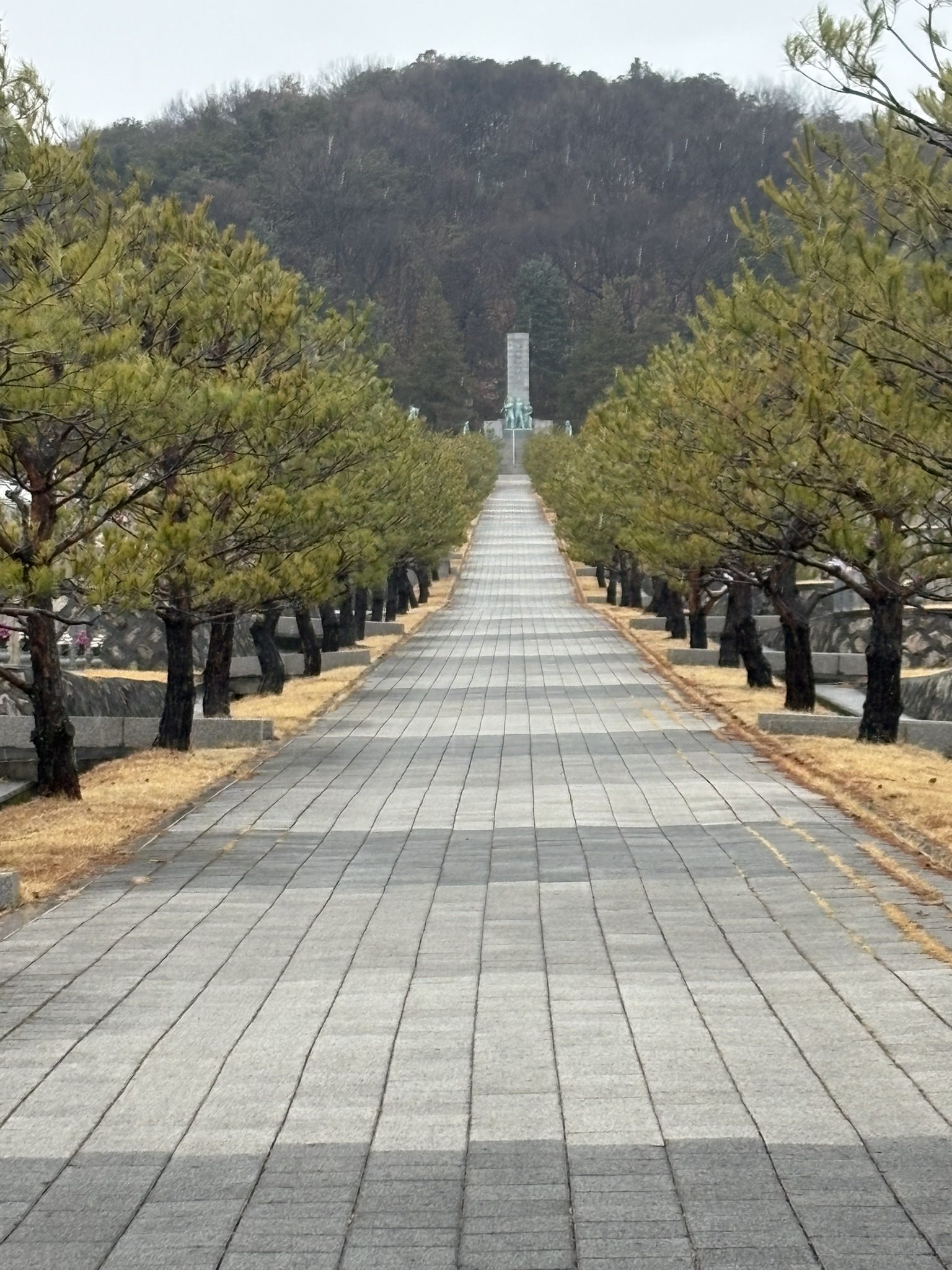
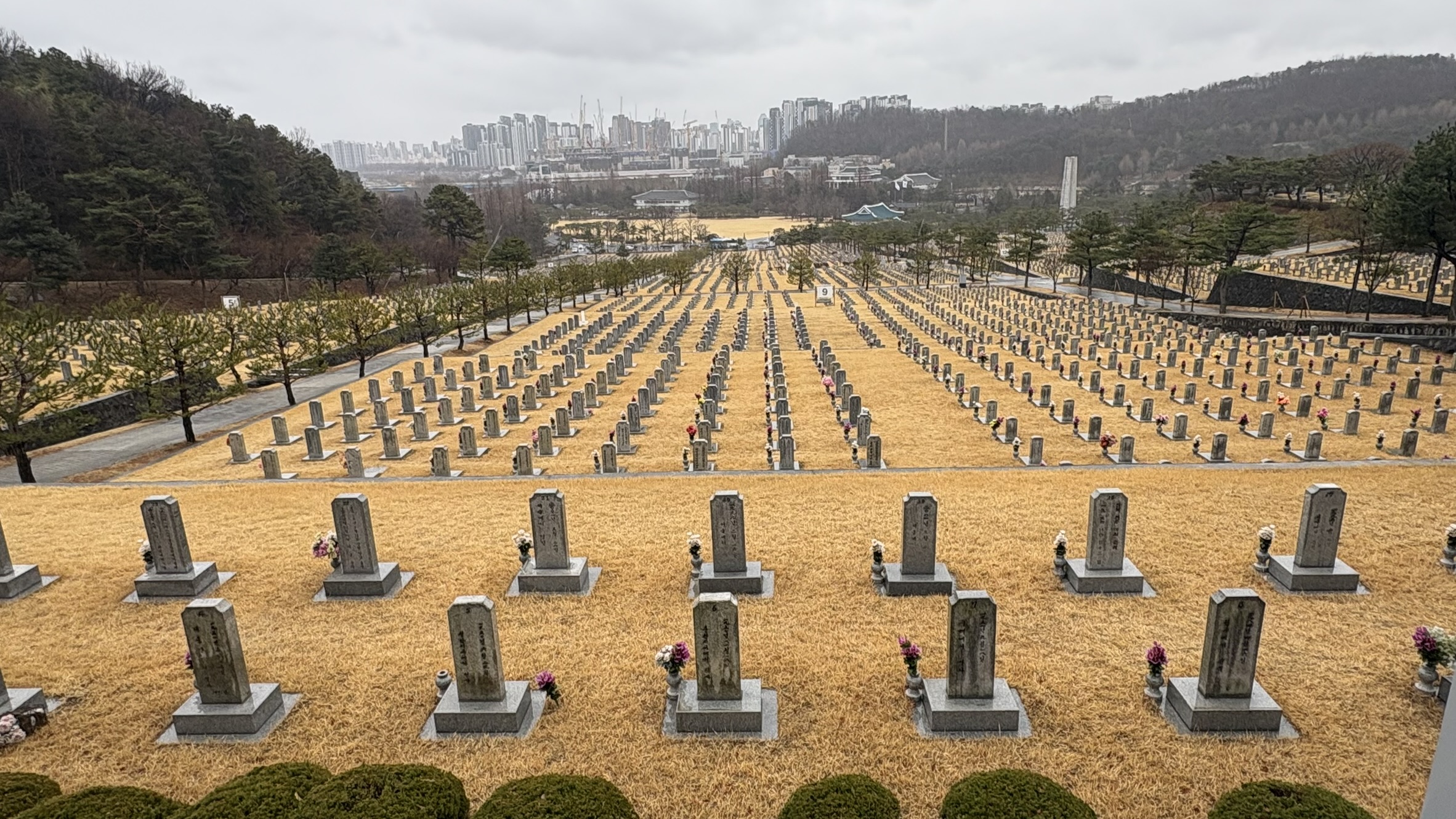
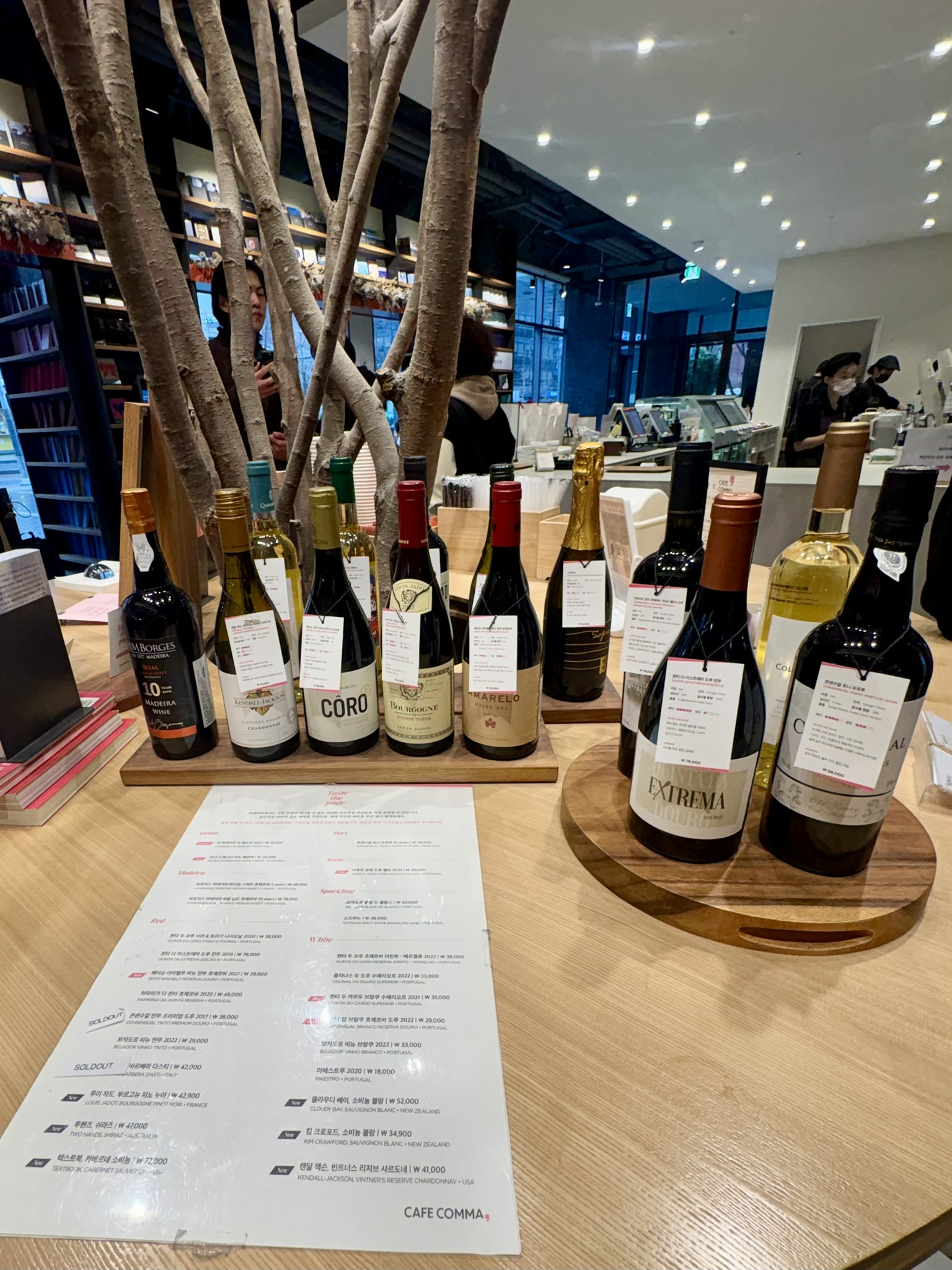
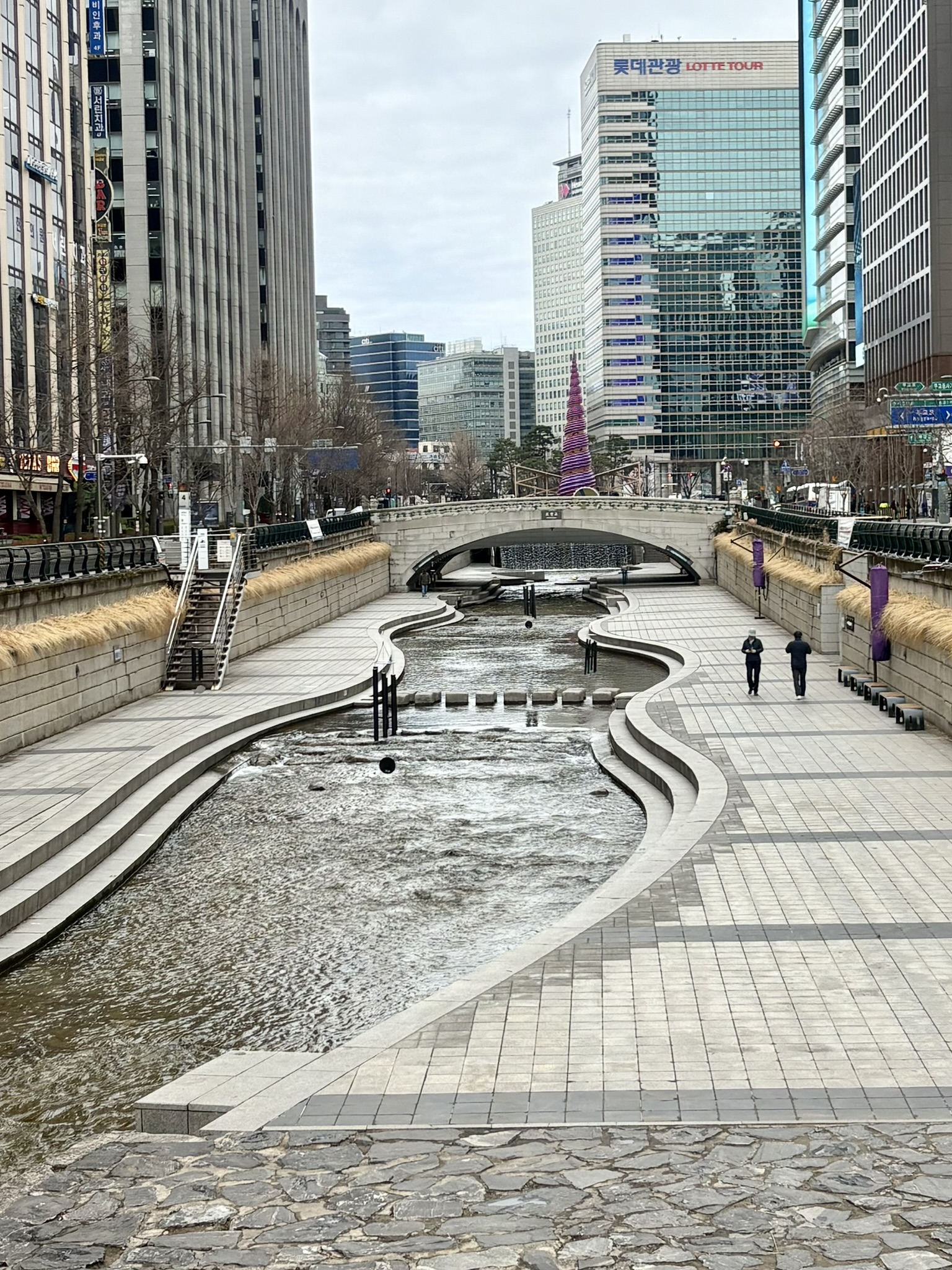
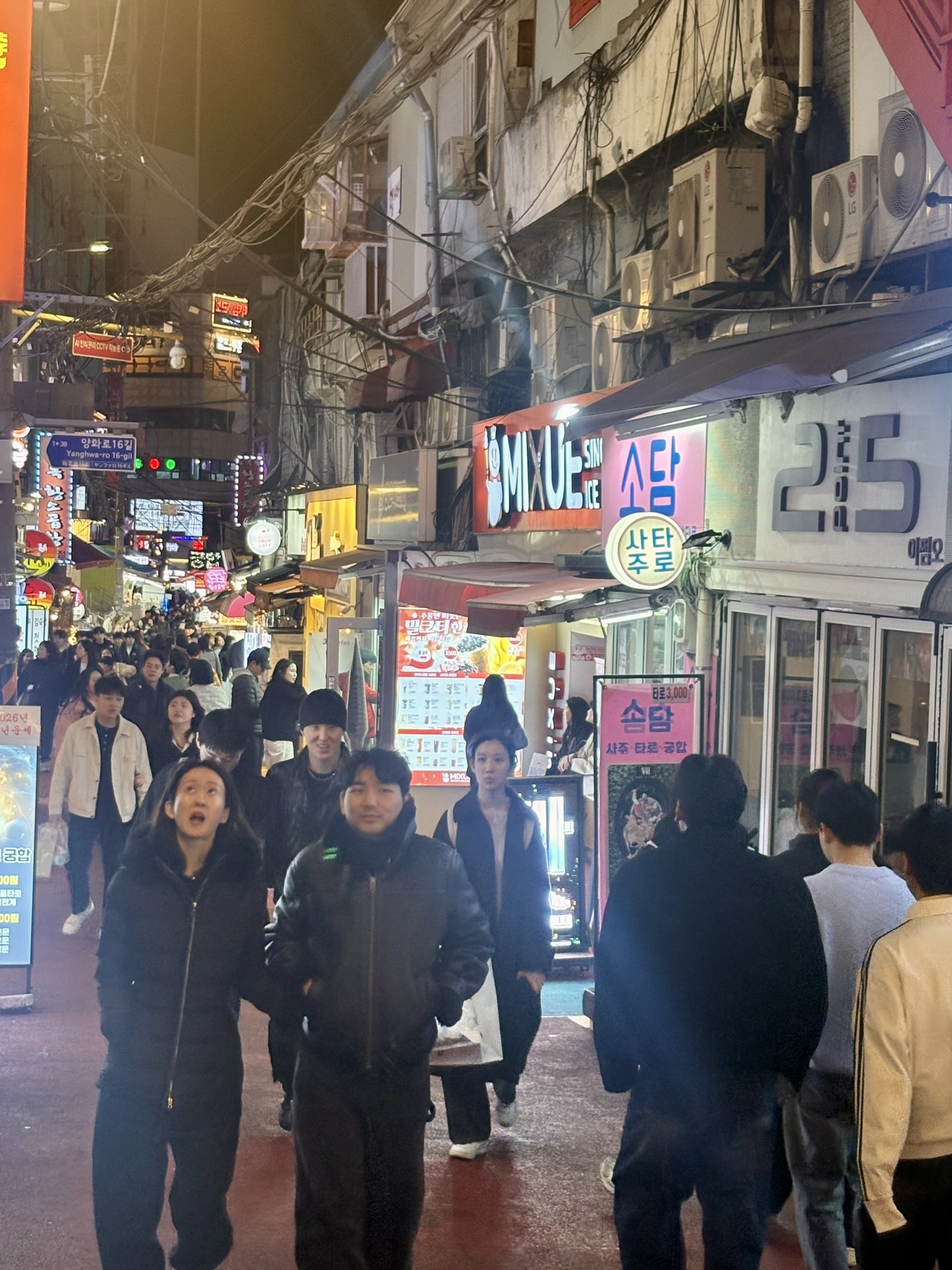
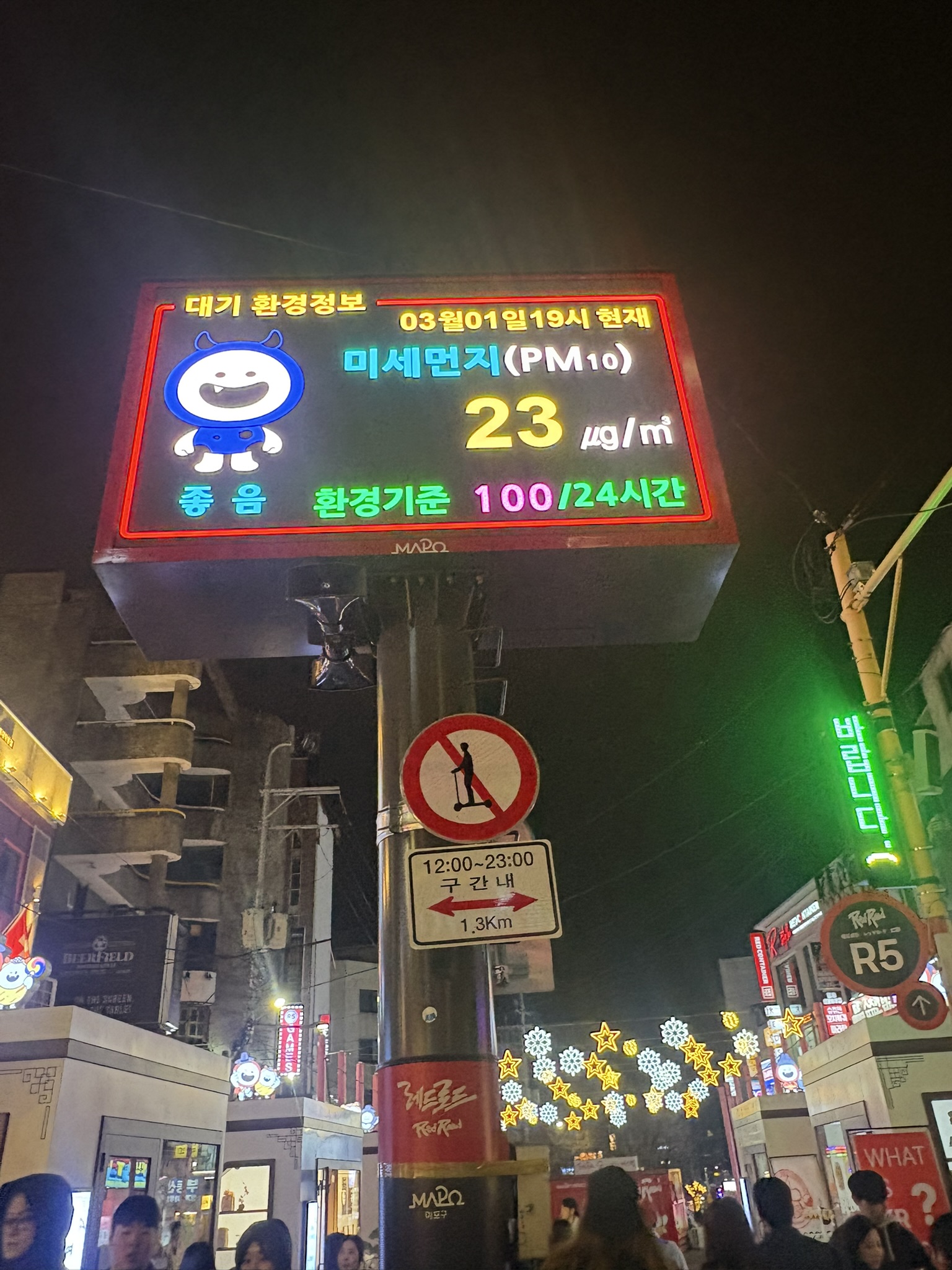
I spent the rest of my time visiting different parts of Seoul. I plan my days by choosing a different district and visiting the usual sites I enjoy: libraries, bookstores, coffee shops, religious buildings, outdoor markets, museums, and cemeteries. And of course, there was food, and plenty of it. The city’s subway has 15 lines, so it was easy to zip from Myeong-dong to Gangnam and from Hongdae to Jongno. Although the night markets and walking streets are often packed, everyone seems to find their space, and there is always a positive vibe. In palaces and historic villages, it is not unusual to see visitors dressed in traditional attire, blending naturally into the surroundings. The locals I had the chance to interact with were courteous, although a couple of them initially spoke to me in Korean.
One of the mottos I subscribe to is “Itinero, ergo edo.” (I travel, therefore I eat.) From bibimbap (rice with sliced meat and seasoned vegetables in a piping-hot bowl), from buchimgae (a savory pancake with assorted vegetables) to BBQ chicken, and from mandu (Korean dumplings) to jjamppong (spicy seafood noodles), I certainly lived up to the motto on this trip. Of course, as is customary, almost all meals came with banchan (small side dishes) such as kimchi (fermented cabbage), kongnamul muchim (bean sprouts dressed with sesame oil and garlic), oi muchim (spicy cucumber salad), and gamja jorim (braised potatoes). I was told by a local that banchan should always accompany a meal. In fact, customers can also ask for free refills.
By the end of my visit, I felt I had learned more about the city and the country. But I have to remind myself that it is easy to generalize about a place based on limited knowledge and exposure. The problem with stereotypes is not necessarily that they are incorrect, but that they are incomplete. What is missing is often the more important part of the story. It is one reason I like returning to the same city or country again and again, because the story is always much richer than I could ever grasp in a single visit.
South Korea is a country I need to return to.
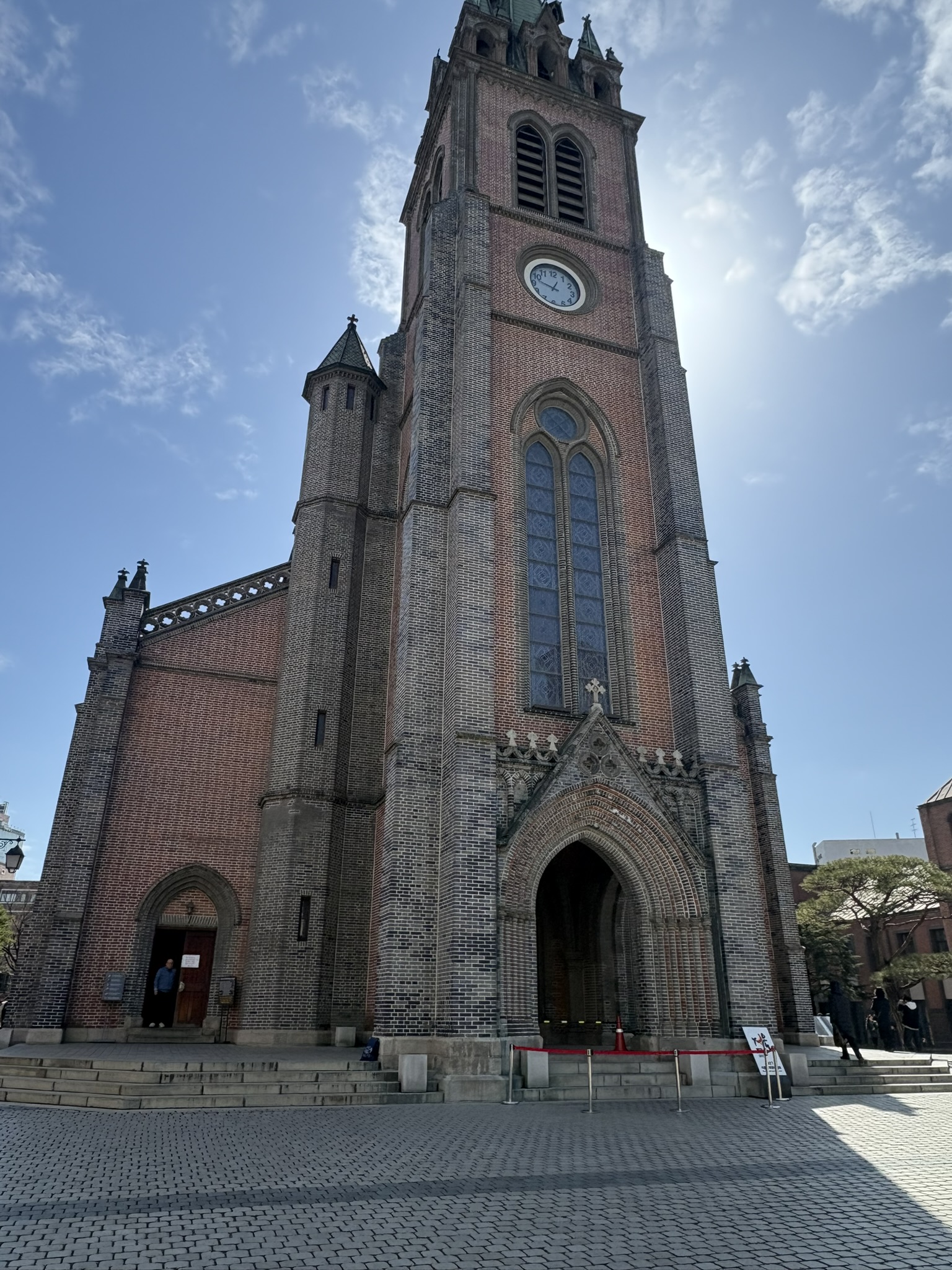
Photos of Seoul, South Korea
Korea in books and on screen
I have read and would recommend the following books: Korea: A Walk Through the Land of Miracles by Simon Winchester; All the Wrong Places: Adrift in the Politics of the Pacific Rim by James Fenton, which has an excellent chapter on the uprising in Kwangju and its notorious suppression; and Pachinko by Min Jin Lee, an epic family saga that has been adapted into a television series. And speaking of television, if you are of a certain age, M*A*S*H is probably the source of almost everything you know about Korea. Of course, you appreciate South Korea, check out K-pop and watch a few movies such as the Academy Award winner Parasite.