The last time I was in Japan was in the mid-1990s. A university friend of mine was working in Japan, and another friend’s daughter was teaching in Nagoya. I took advantage of their generosity and spent several weeks in the middle of a hot summer there. To escape the heat, I took a train to Takayama and then to Sapporo for more than half of my time there. So for this trip, I decided I wanted to spend all five days in the Tokyo area. I used a book called Tokyo Maze – 42 Walks in and Around the Japanese Capital as my main guide. I picked a couple of suggested walks that are geographically adjacent to each other and spent the day just exploring. I also took part in a “free” walking tour, something I have done in many cities. The guide was knowledgeable, and the group was small enough that it was a good way to learn more about the city.
I really enjoyed my time in Japan and wished I had more time there. Tokyo itself is such a massive cosmopolitan area, and there are so many areas I would like to explore yet. A couple of things stood out to me during my short trip there. Firstly, in the five days I was there, I saw a grand total of one homeless person, who was sleeping under a blanket by a subway entrance in Shinjuku. I assume Japan has its share of homeless people, but I just didn’t see them. Secondly, riding in a crowded subway in relative silence was a bit eerie. The social norm is that you do not talk on your phone, and having a loud-ish conversation is definitely taboo.
The nail that sticks out gets hammered down is a well-known Japanese proverb, and I could definitely sense that conformity plays a big part in the social fabric. Maybe in order to live harmoniously in a crowded environment, individual rights and preferences have to give way to the collective good. But then, I may also be delusional in even thinking I know about a place just because I have spent a week there.
Postscript: A friend of mine sent me this YouTube video explaining why Japan’s homeless issues are different from North America. Check it out if you are interested:
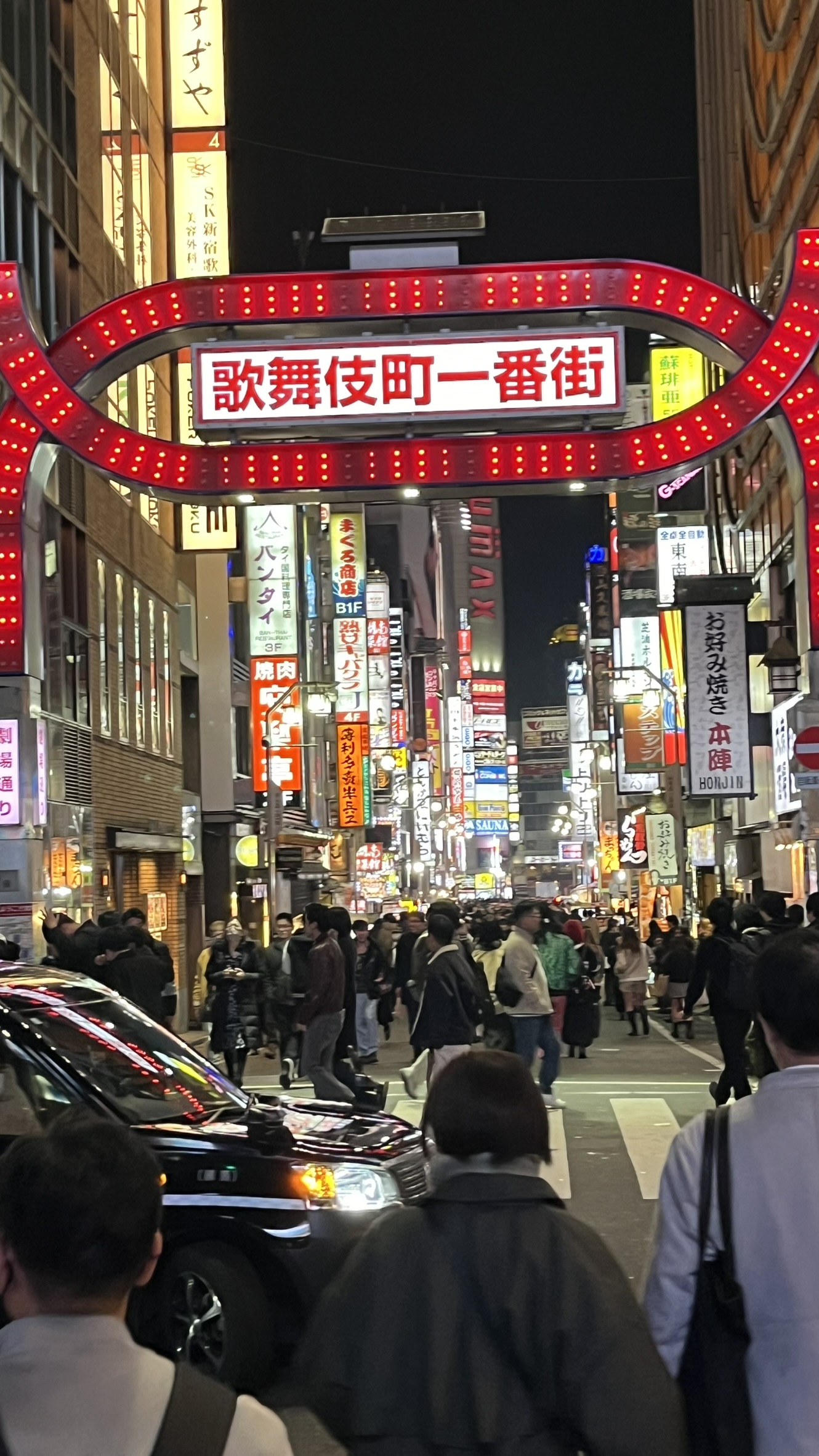
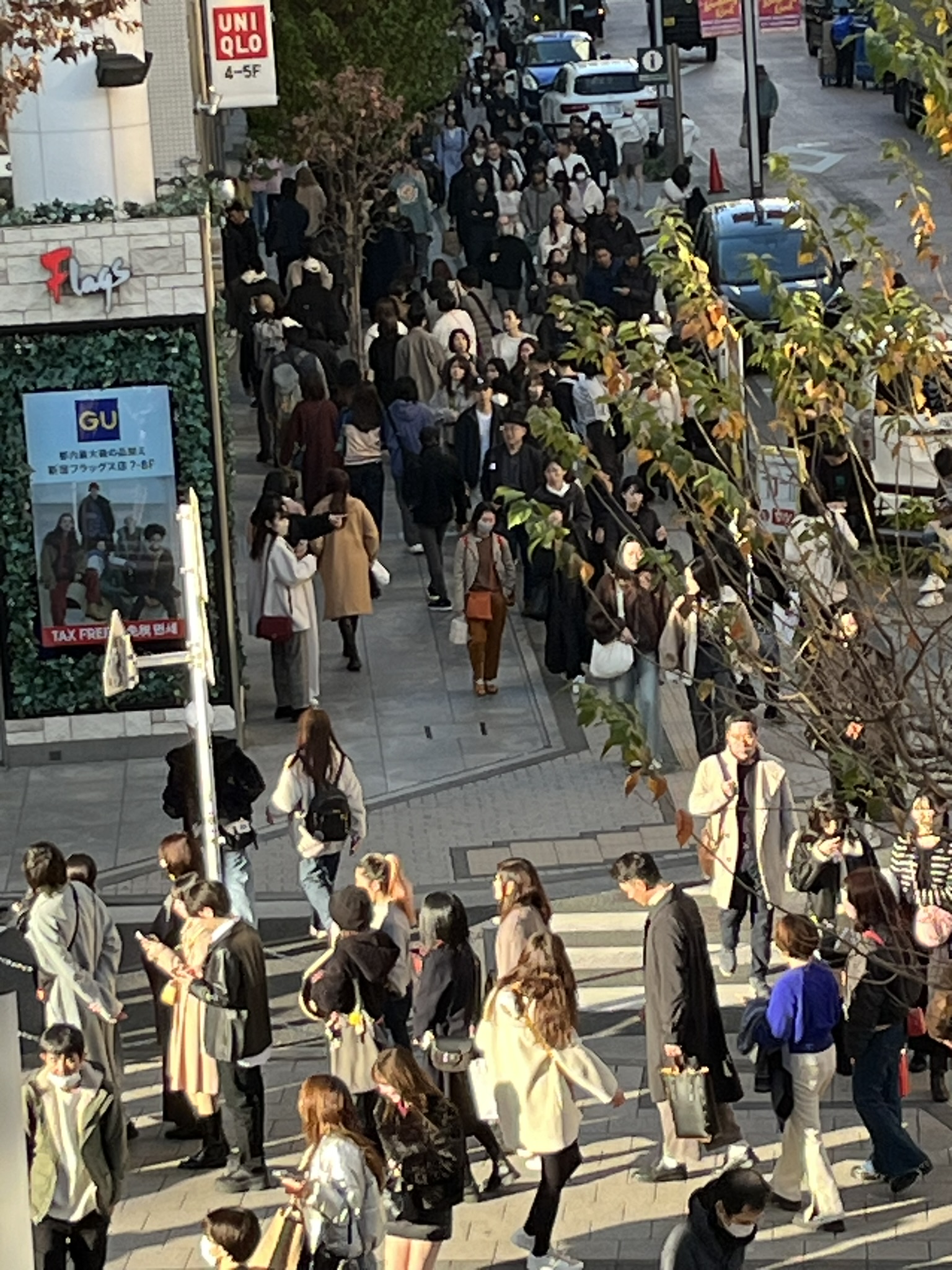
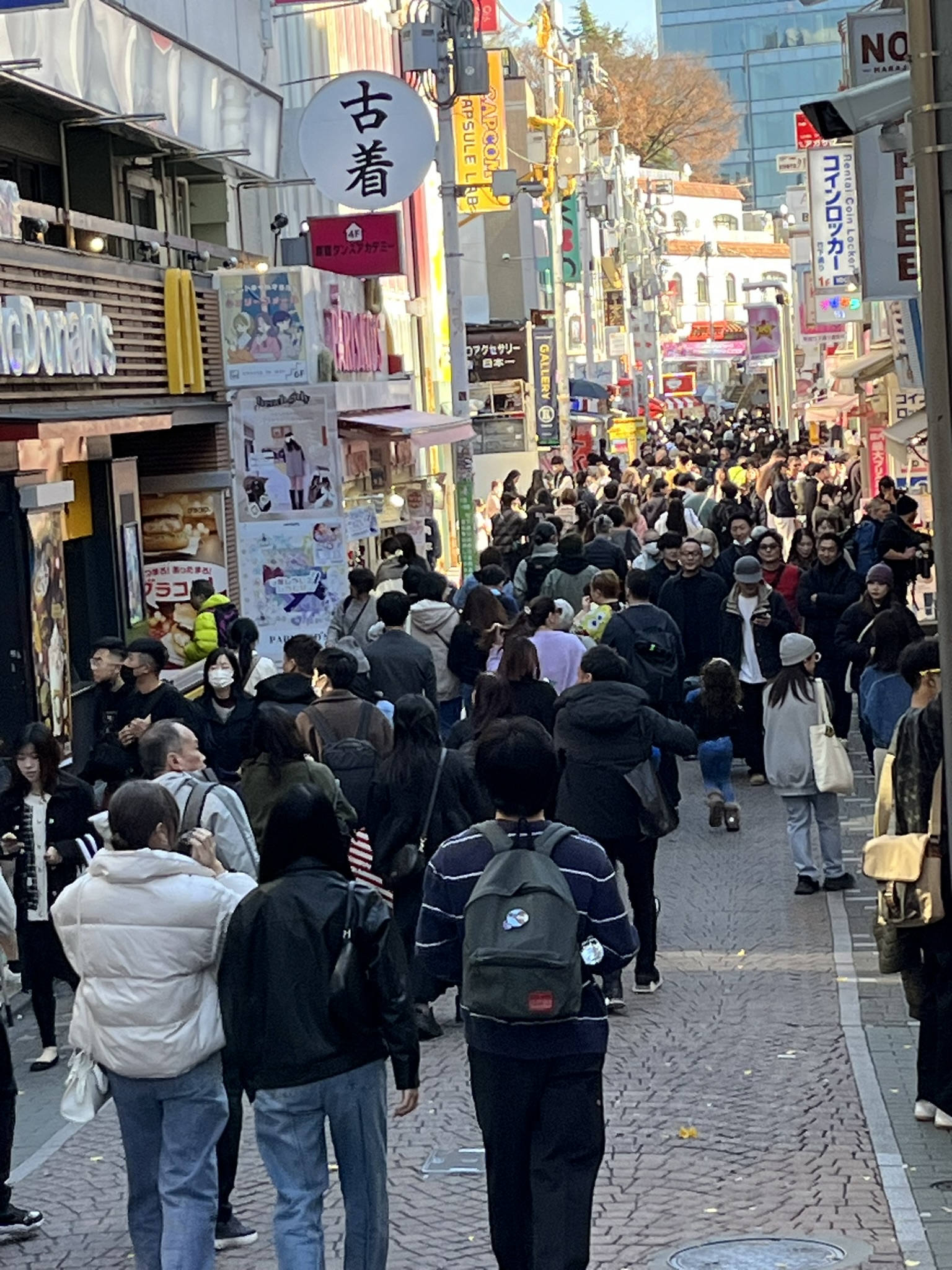
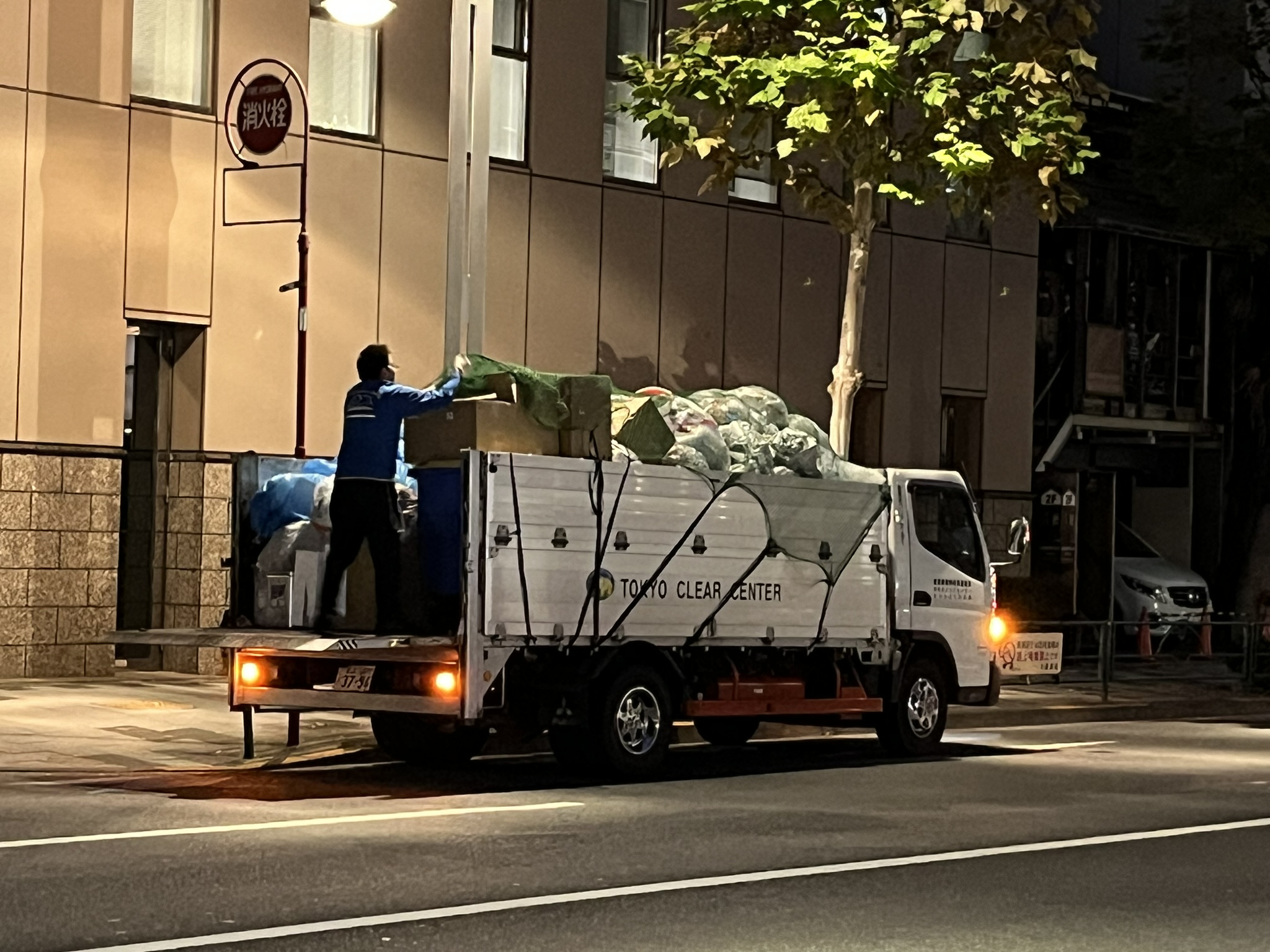
Tokyo is the Capital of Japan. The city proper (Tokyo Metropolis) has a population of approximately 14 million, though the greater Tokyo metropolitan area is closer to 37–38 million, making it one of the world’s largest metropolitan areas. Although it is definitely crowded and crossing a wide avenue with hundreds of people in 15 to 20 seconds could be a bit nerve-wracking, there is a sense of order amidst the chaos. Also, it is one of the safest cities I have been to. Many of these photos were taken in Shinjuku and Kabukicho. These are two districts popular with tourists and locals alike. You can find plenty of restaurants, cafes, shops, and pubs around here. Because of jet lag, I spent a few hours wandering the streets near my hotel on the edge of Shinjuku. The contrast between the hectic nightlife and the tranquil early morning on the very same streets was striking.
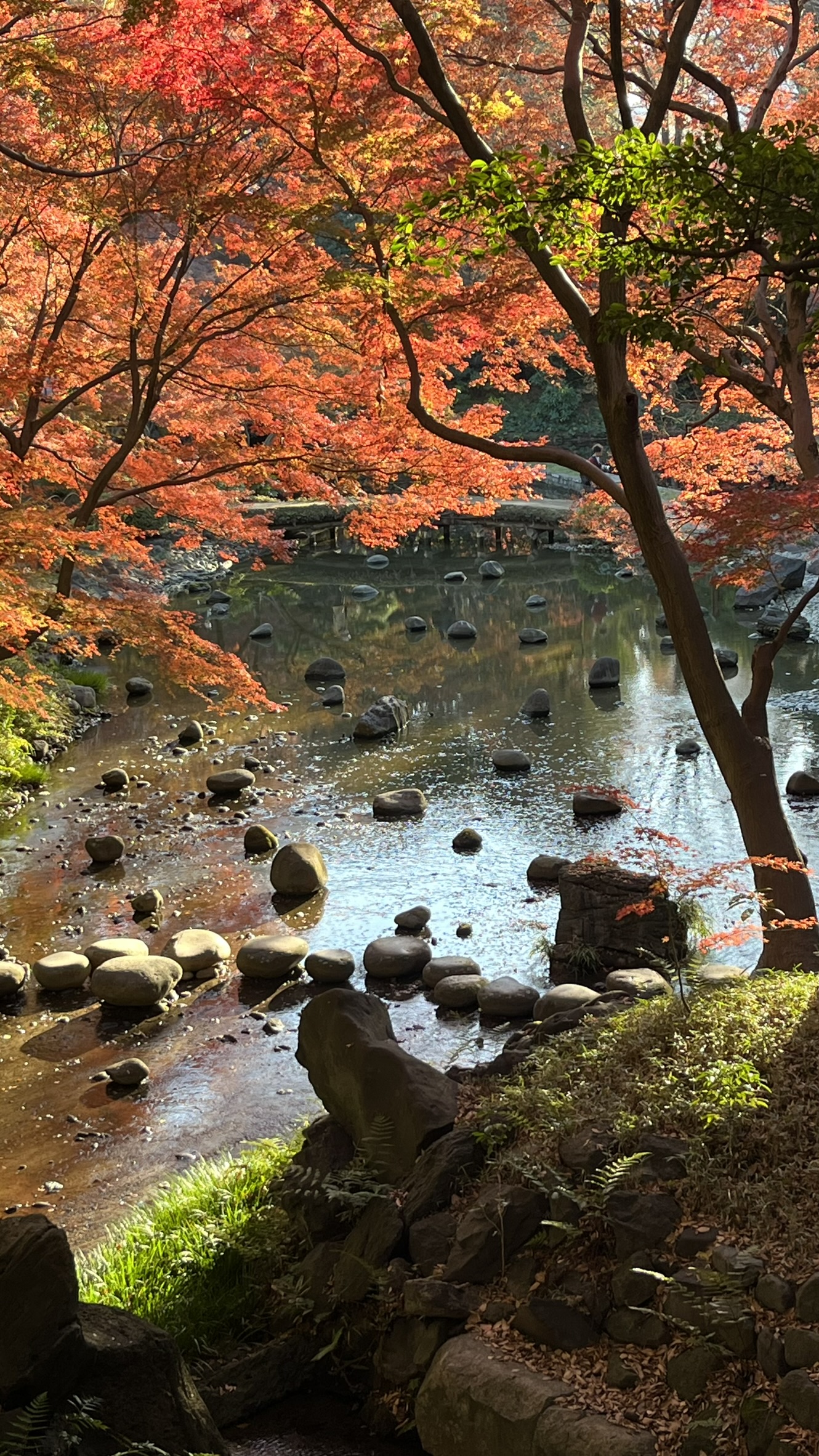
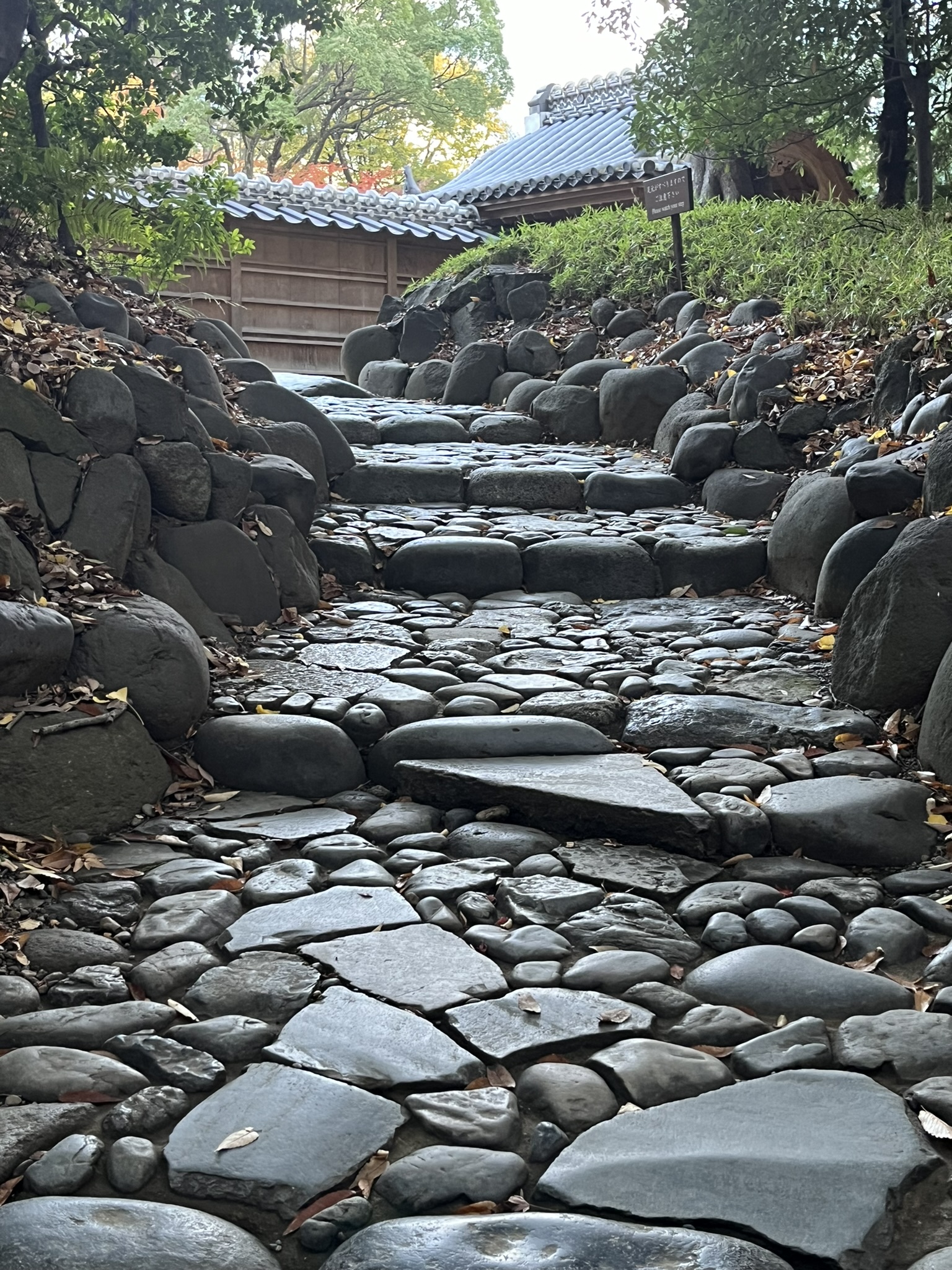
Located near the Tokyo Dome, the Koishikawa Korakuen Garden is one of Tokyo’s oldest Japanese gardens. It was built in the early Edo Period. A Japanese garden is meticulously designed as a serene haven, inviting visitors to rest and reflect amidst its tranquil setting. Elements are thoughtfully arranged, concealed from plain view to create moments of surprise and delight through unexpected discoveries. Although I knew I would encounter waterfall, pavilion, bridge, stone lanterns, streams, and rocks, they were well placed and I found myself still delighted in discovering them. In fact, I took a break and found myself a seat on a bench inside a pavilion. Alas, as hard as I tried, rather than getting myself into a contemplative state, I couldn’t help but spend the time thinking about which ramen restaurant I should go for lunch.
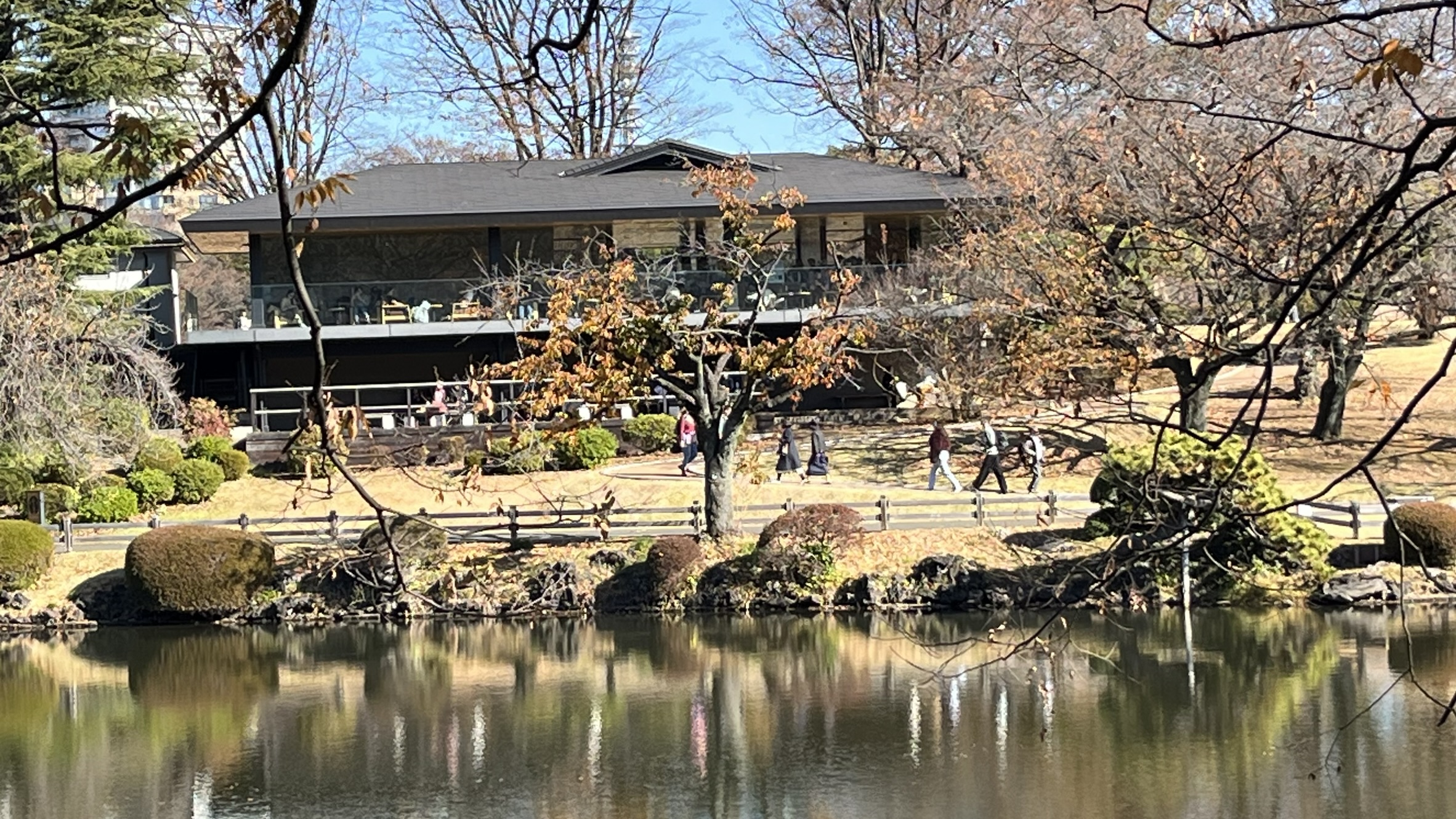
The Shinjuku Gyoen National Garden is a world apart from the hectic pace of Shinjuku Station, just a kilometre away. Even though it was early December when I visited the Garden, some of the leaves were still brilliantly crimson. It was a weekday, so it was not busy, except there was a good crowd at a Starbucks, one of the loveliest I have seen, with a view overlooking the pond.
This was the second large garden, really park, that I visited during my short stay; both charged admission. I don’t know if that is the norm but the fees probably help with the upkeep of the park. The admission fees may also be the reason I didn’t see any homeless people in the gardens. However, I didn’t see homeless people outside the gardens either.
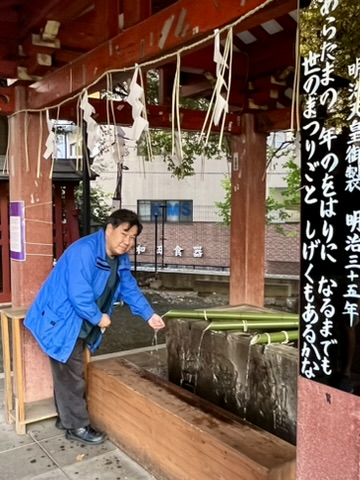
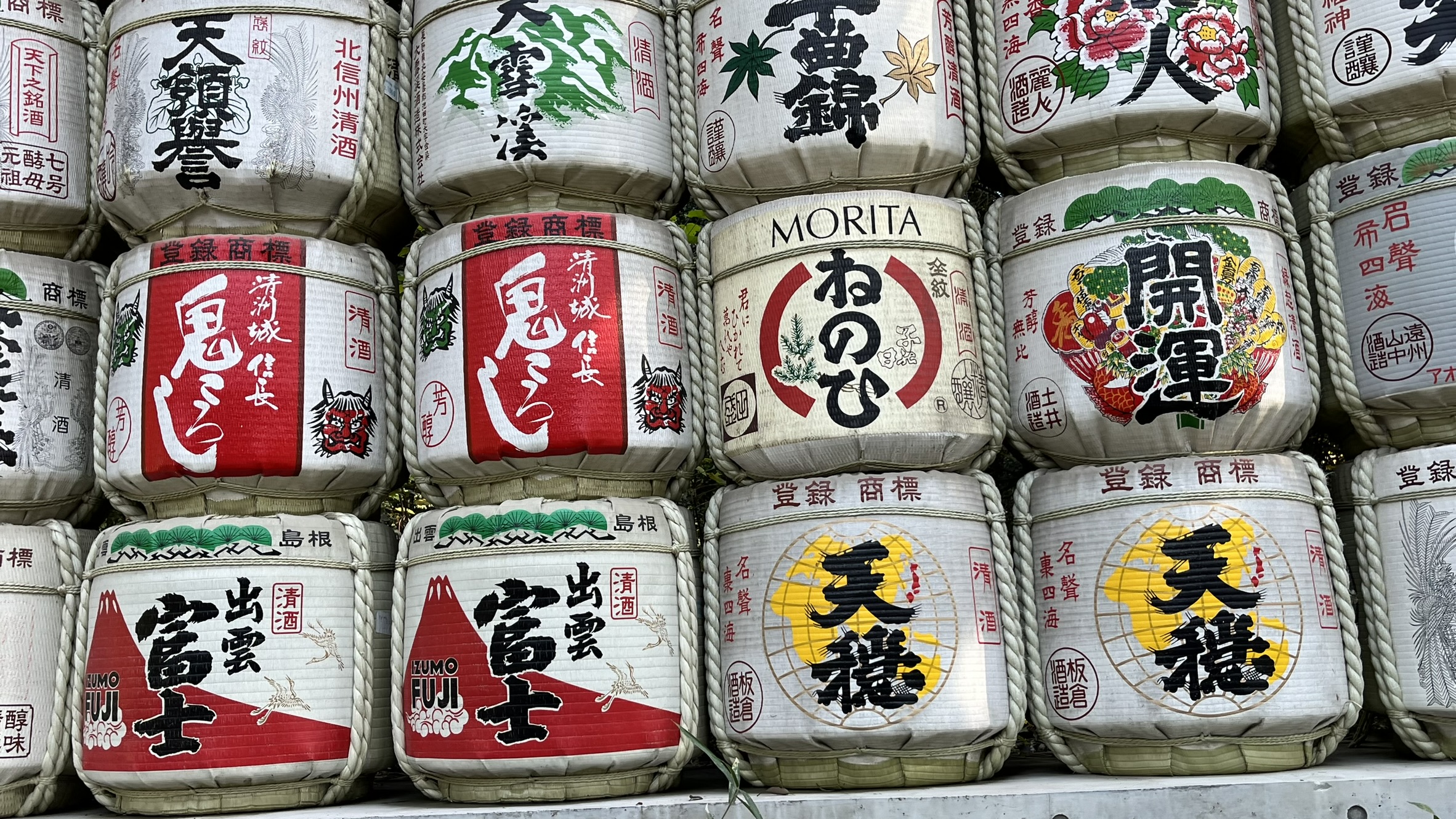
Two Shrines and a Temple: The first part of this video features the Meiji Shrine. It’s a Shinto shrine dedicated to the deified spirits of Emperor Meiji and his consort, Empress Shoken. It’s an enormous compound in the middle of Tokyo. After that, it features a smaller Shinto shrine, Kongo Hachimangu, in the Shibuya District. The last several photos with the Tokyo Tower in the background are of a Buddhist temple: Sengaku-ji. At the back of this temple is the burial ground of the famous 47 ronin (samurai). They were executed for avenging the death of their master, the Lord of Ako.
About 80% of Japanese practice some form of Shintoism or Buddhism. Shrines are Shinto while temples are Buddhist. However, there is quite a bit of overlap in terms of customs and practices, except that Shintoism is definitively Japanese and is not practiced elsewhere. The sport of sumo wrestling is deeply tied to Shintoism.
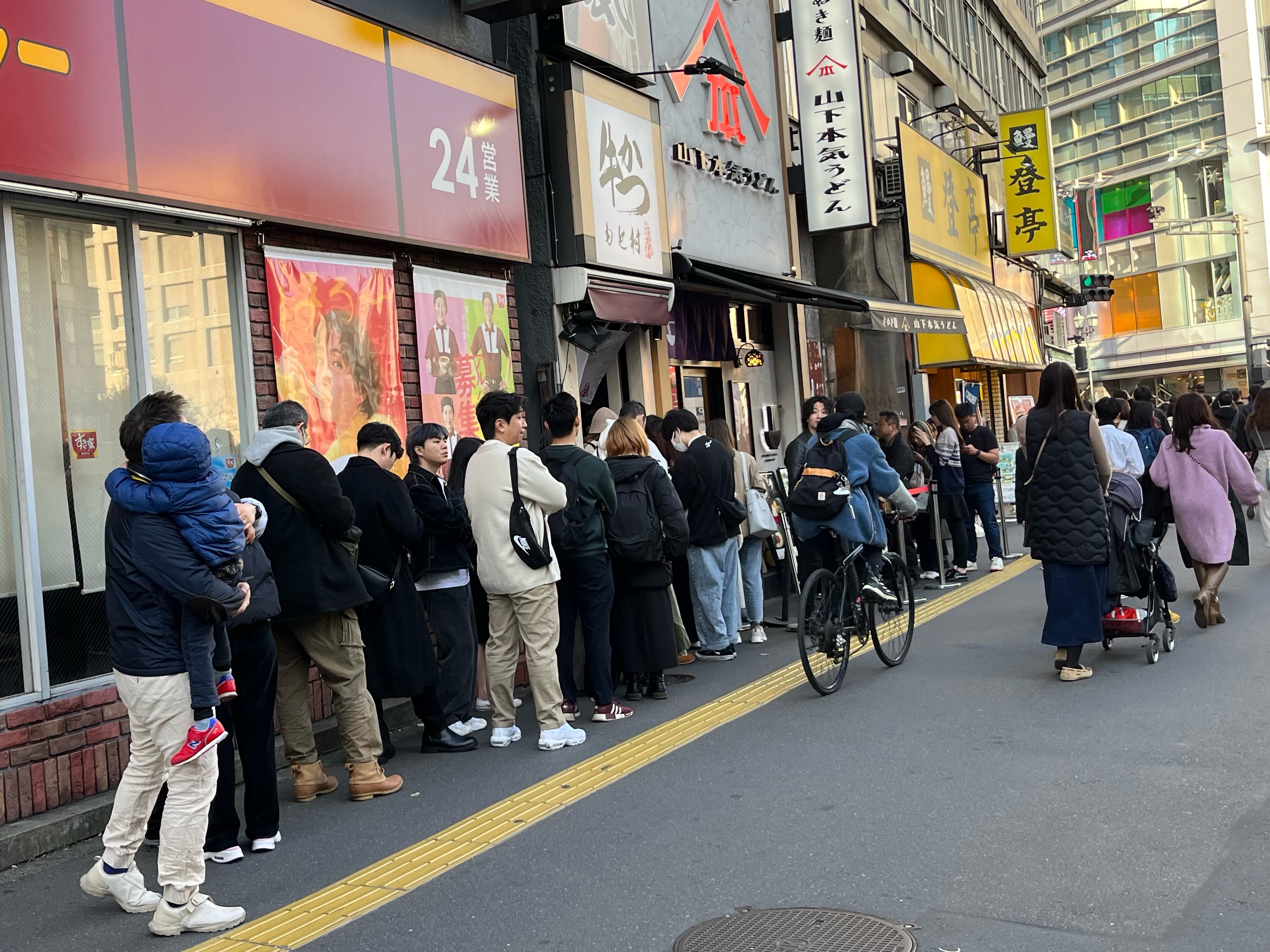
Eating well in Tokyo: The first time I arrived in Tokyo, I found a tiny ramen place on the second floor of an old wooden building in Shinjuku. While I was queuing in the narrow lane-way, I read the instructions on where to queue, when to order, and how to eat a bowl of noodles properly. I think ramen is like the fast food of Japan. You order, then pay, the noodles arrive quickly, you eat, and you leave. For a more informal socializing and lingering, an izakaya is the place to go where drinks and snacks are served. And there is a medley of other choices: sushi, yakitori, soba, tempura, tonkatsu, and Wagyu. Even the local 7-11 offers some hearty, though less than healthy, food.
On another really early morning, I think it was about 5:30 am, I found myself in a random diner that reminded me of the show Midnight Diner, currently showing on Netflix. There were five other people sitting around an L-shaped counter facing the chef, who was busy cooking some ramen, deep-frying some pork chops, and pouring some sake for his customers. They all seemed familiar with each other and quite aware a stranger had intruded, but promptly ignored him.
While I was there, my most memorable feast was an omakase breakfast at the Toyosu Fish Market. Because of jet-lag, I found my way there soon after 7:00 a.m and parked myself on a stool and watched the chef masterfully prepare a plate of sushi and sashimi for me. The small restaurant was hopping, mostly with tourists, and the man next to me was washing down his breakfast with a local beer.
On the day I was leaving, I wanted to grab a quick lunch before my flight. I googled “ramen” and was delighted to discover a place just two minutes walk from my hotel, tucked away in a narrow lane-way. The place turned out to be on the Michelin list and the ramen was fantastic and inexpensive. I opted for a supersized version of the most popular dish and it came to Can. $13. Realistically, my palette is not that refined to know what a Michelin starred ramen should taste like.
Yokohama is the second largest city by population in Japan. It lies on Tokyo Bay, just south of Tokyo. It is a busy port city and home to the largest Chinatown in Japan. I also read it is the most international city in Japan because of its commerce. Even though it is a short train ride from Tokyo, tourists don’t often make it here.
I took a day trip to there to meet up with an old friend whom I met when I was staying at Conrad Grebel College Residence at the University of Waterloo more than 40 years ago. Yasu is a generous and gracious host who took me around on a whirlwind tour of the city and treated me to dinner in Chinatown.
Additional favorite photos from this trip.